The OWL Collaboration
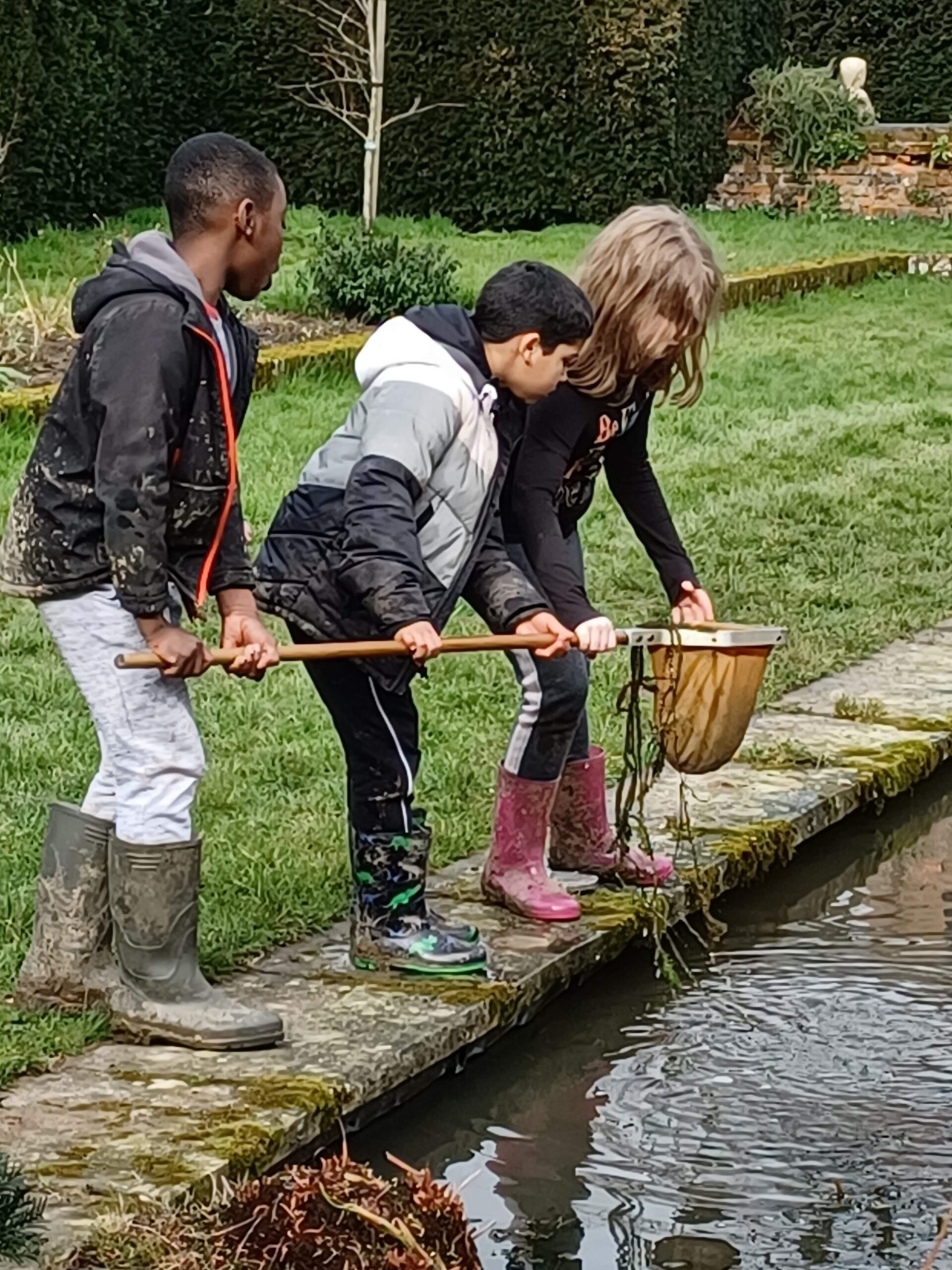
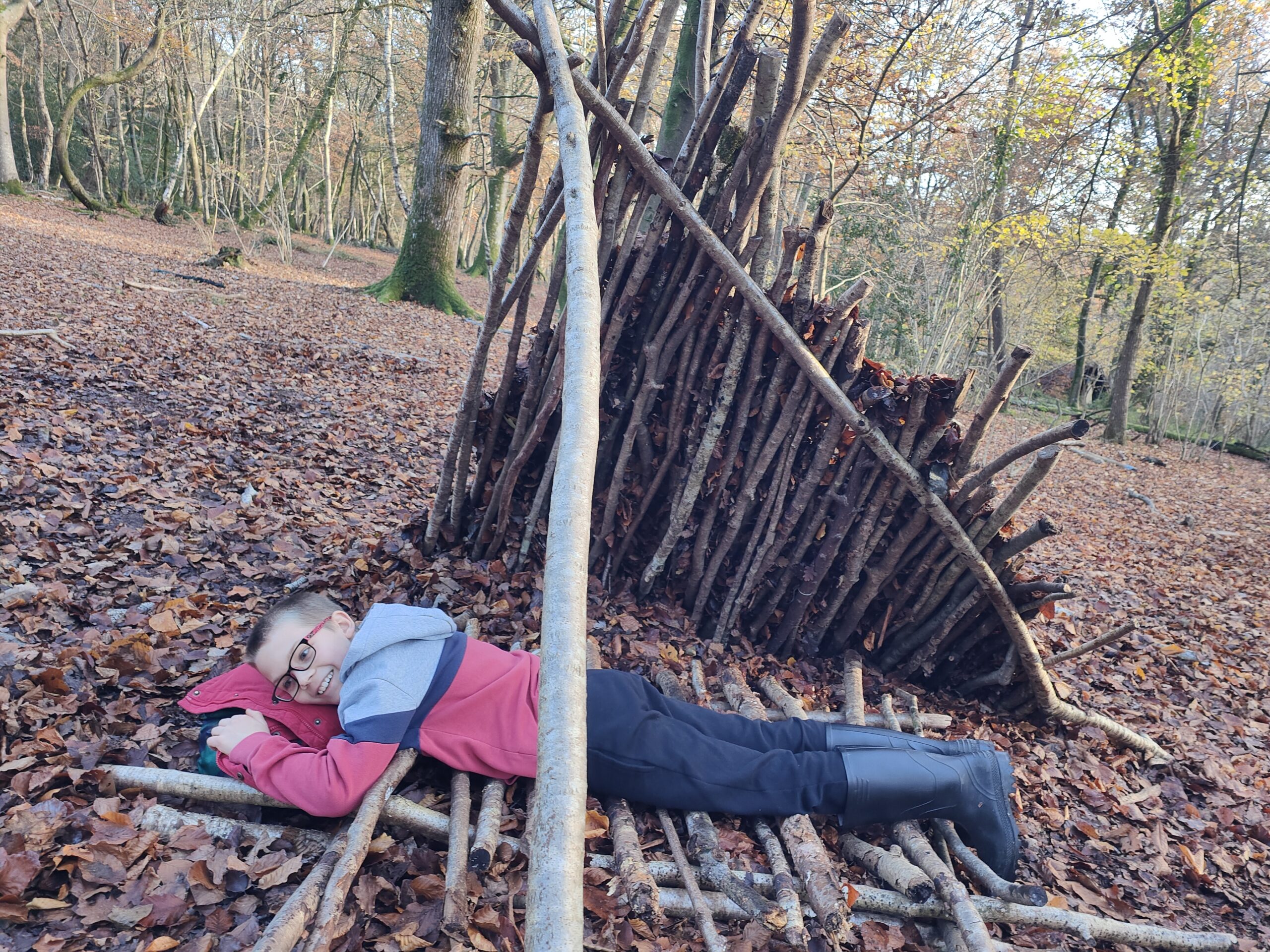
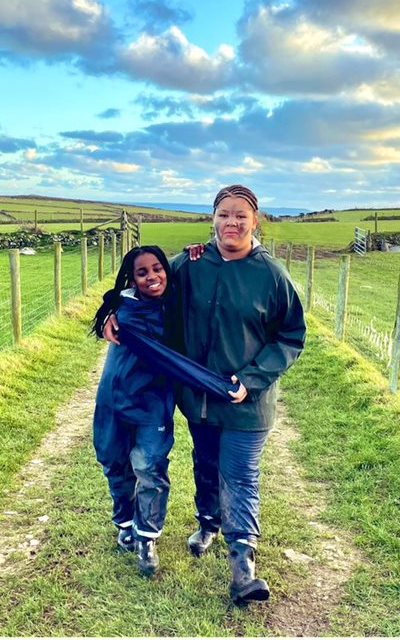
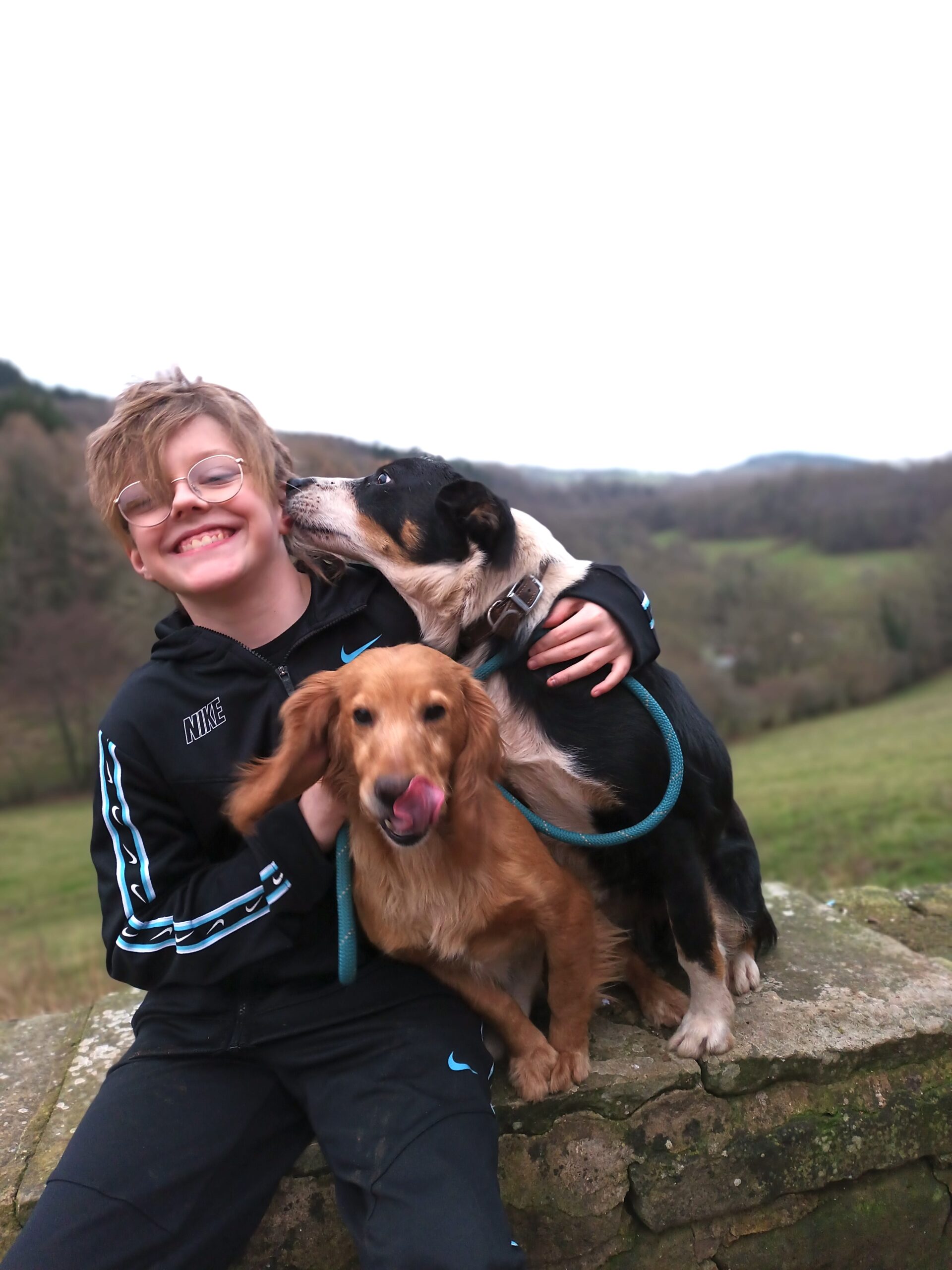
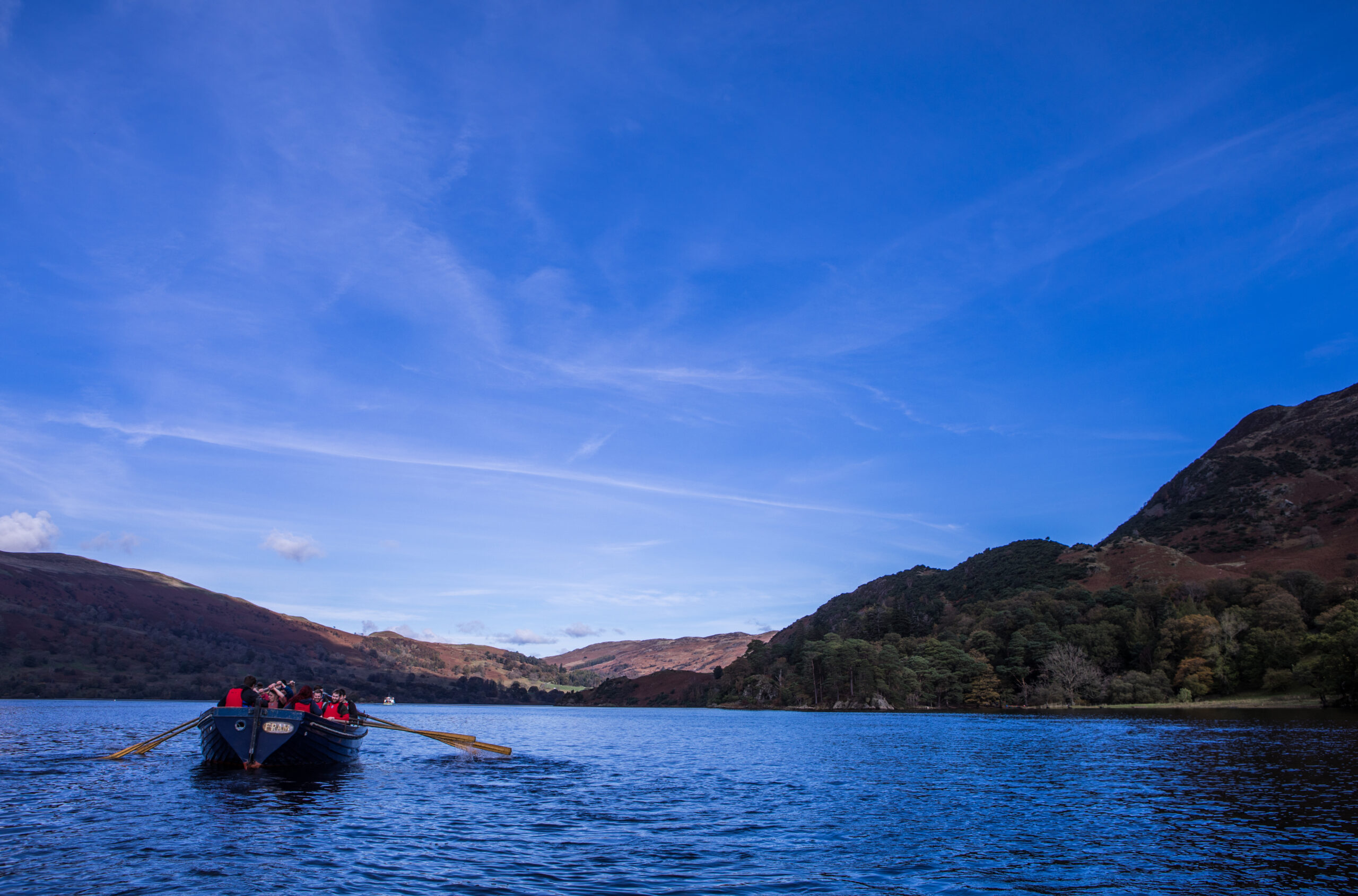
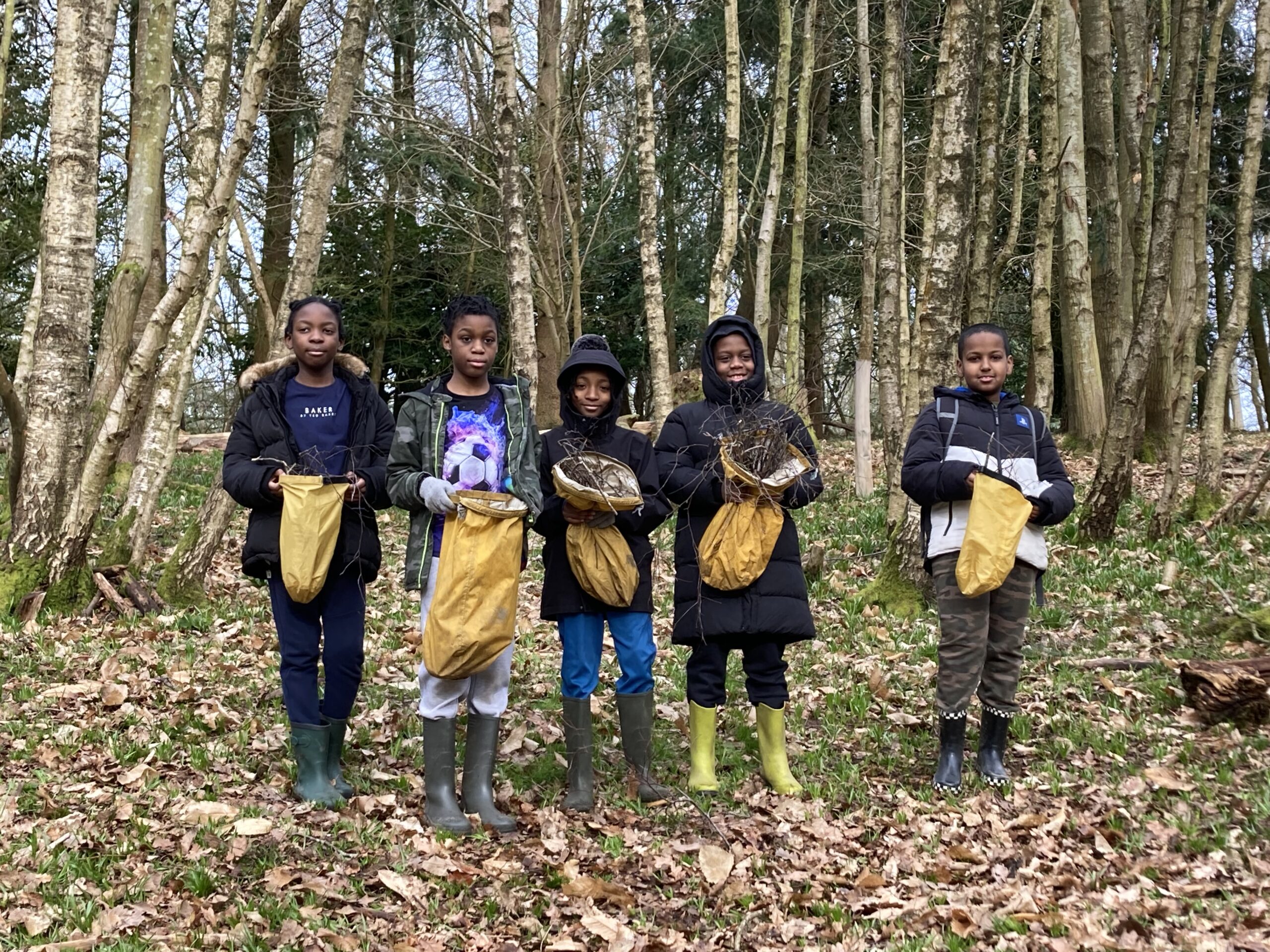
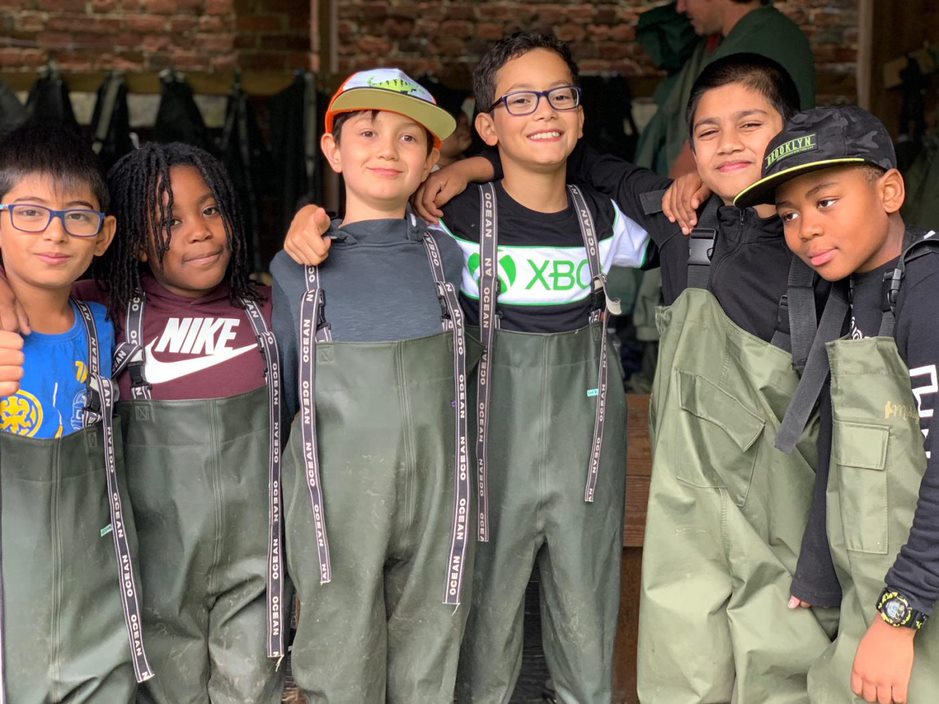
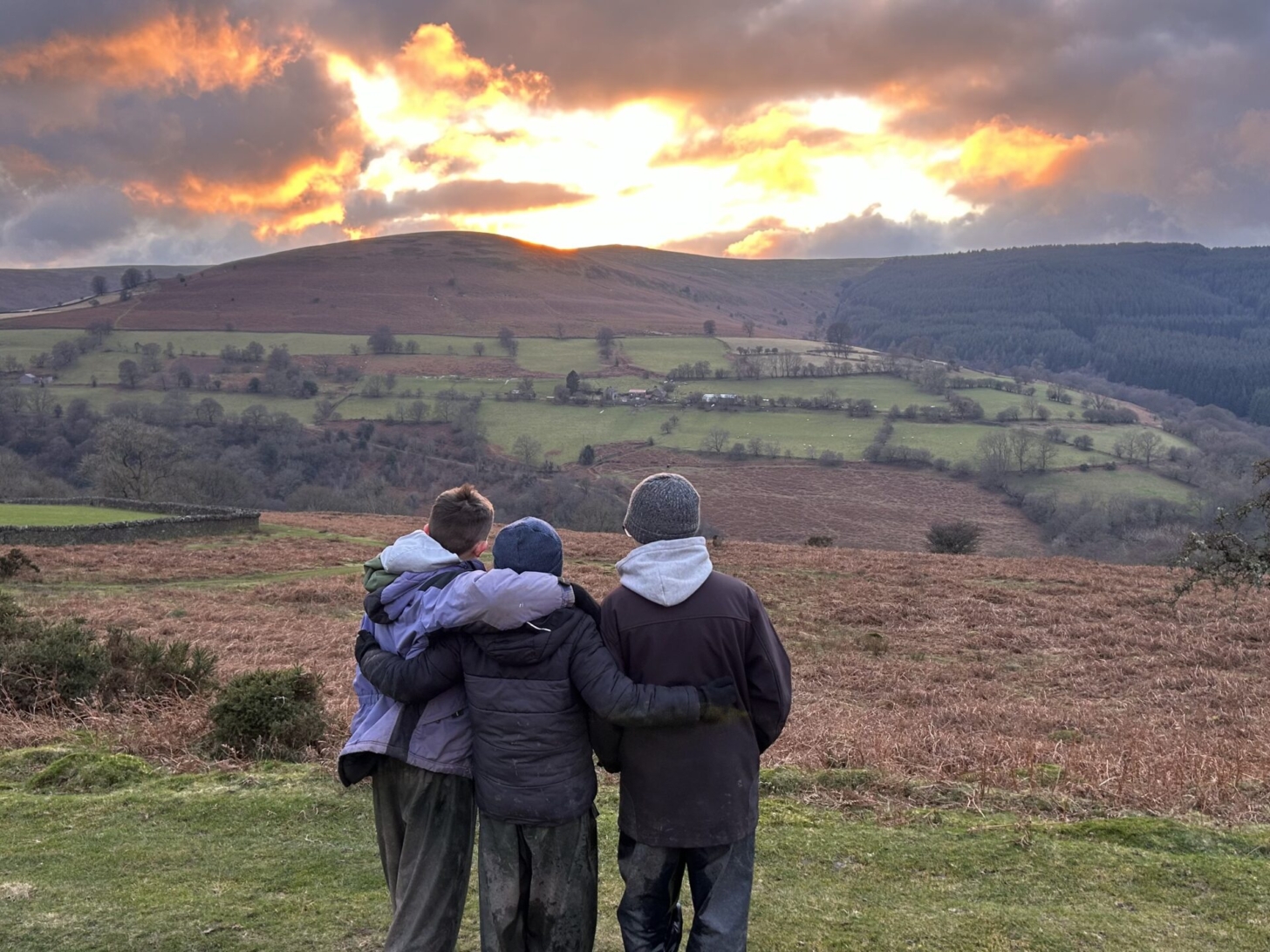
Outdoor Weeks of Learning (OWL) offer young people the opportunity to immerse themselves in nature and the outdoors – and the impact can be truly transformative.
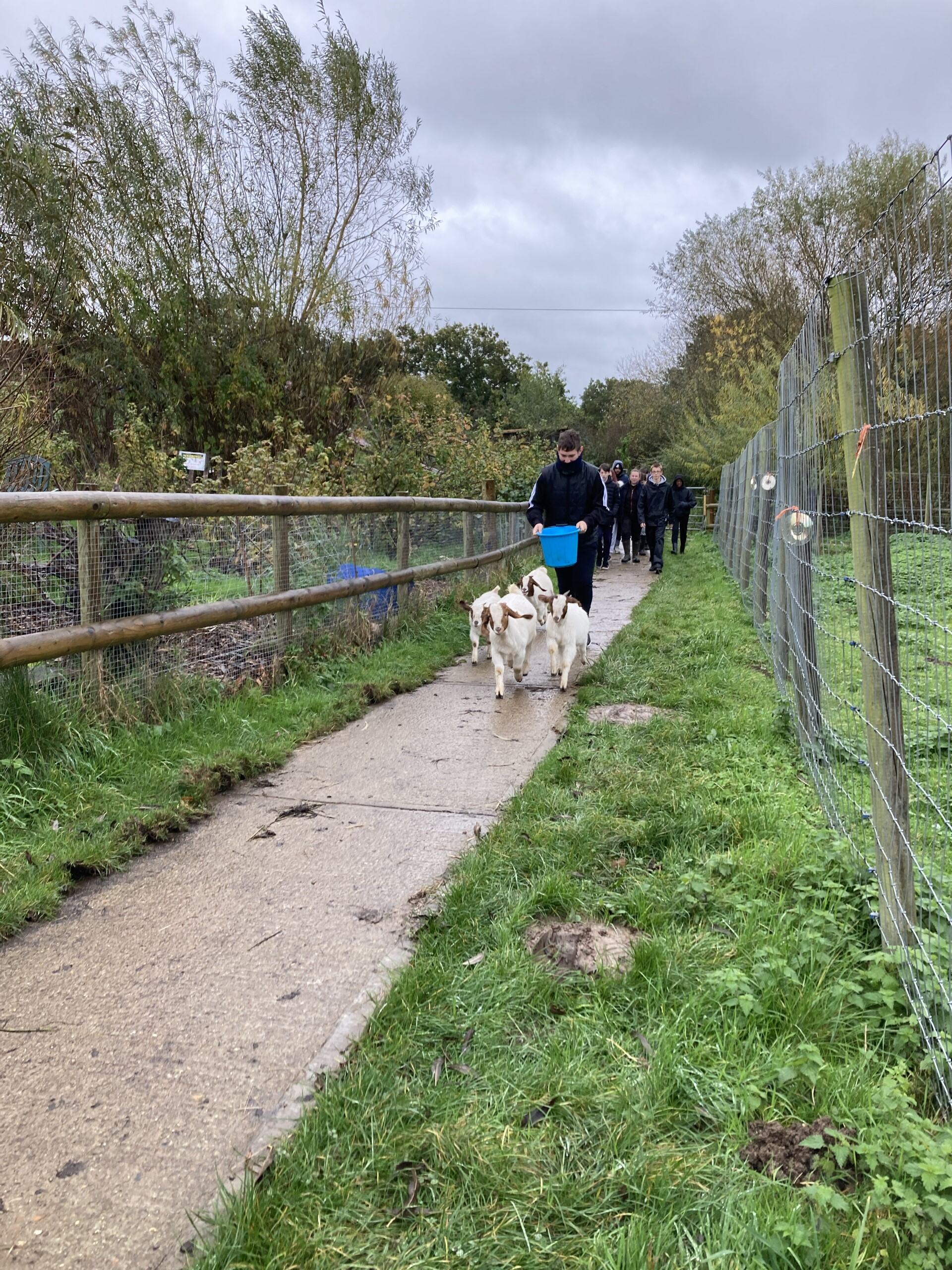
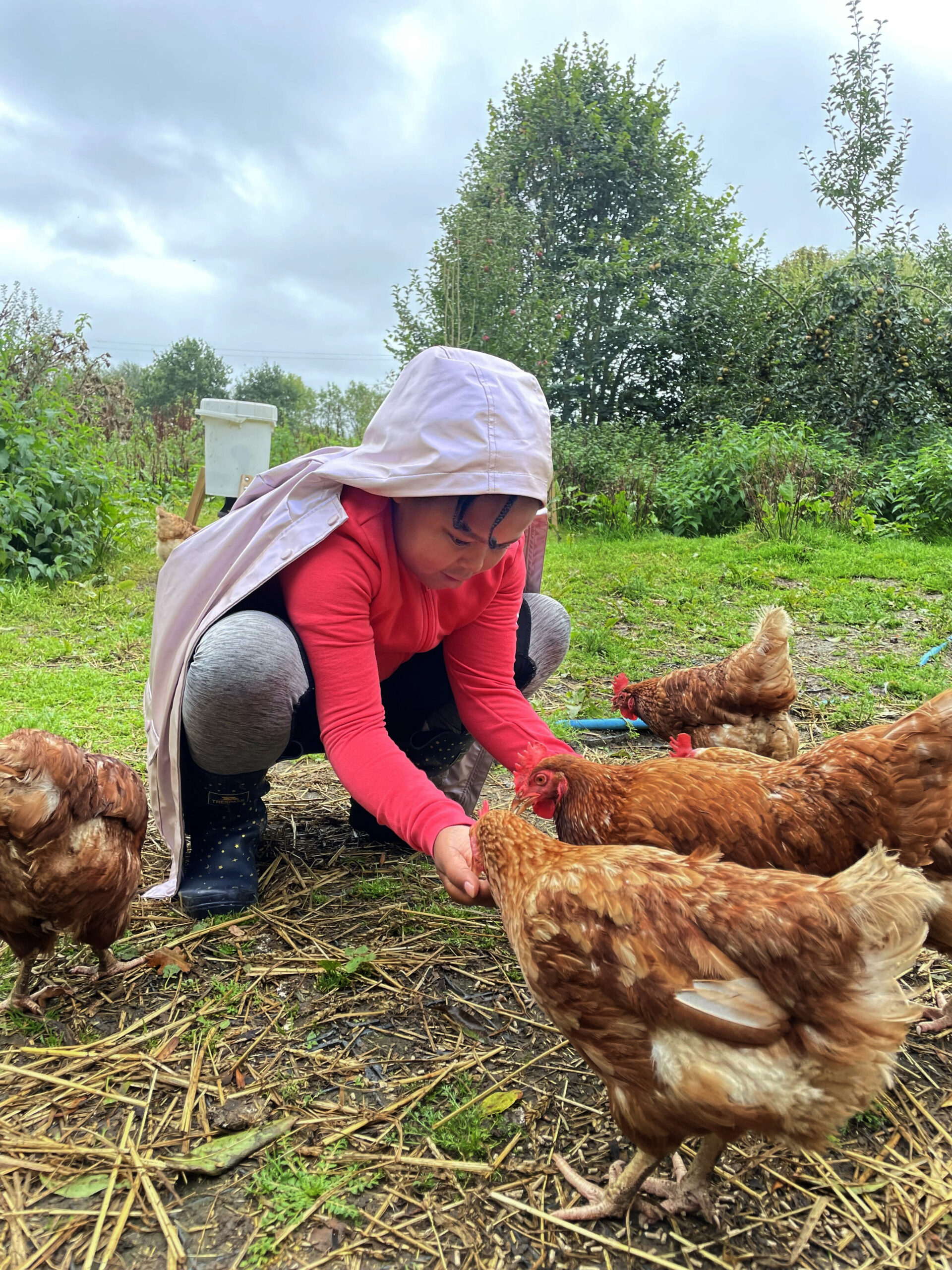
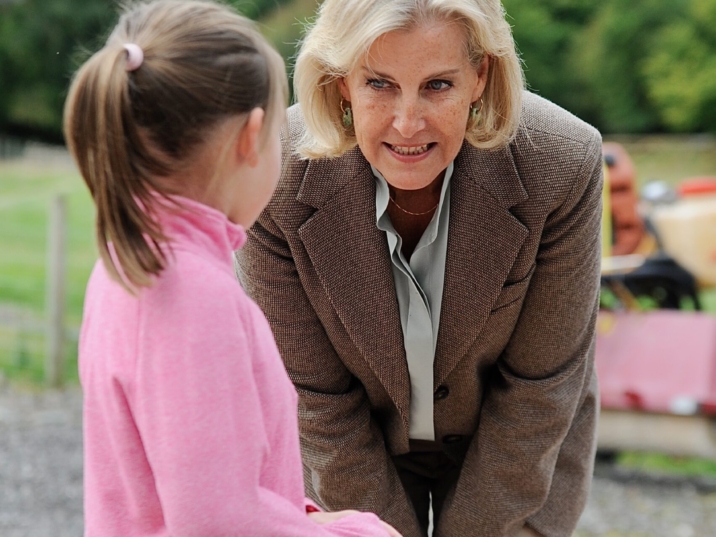
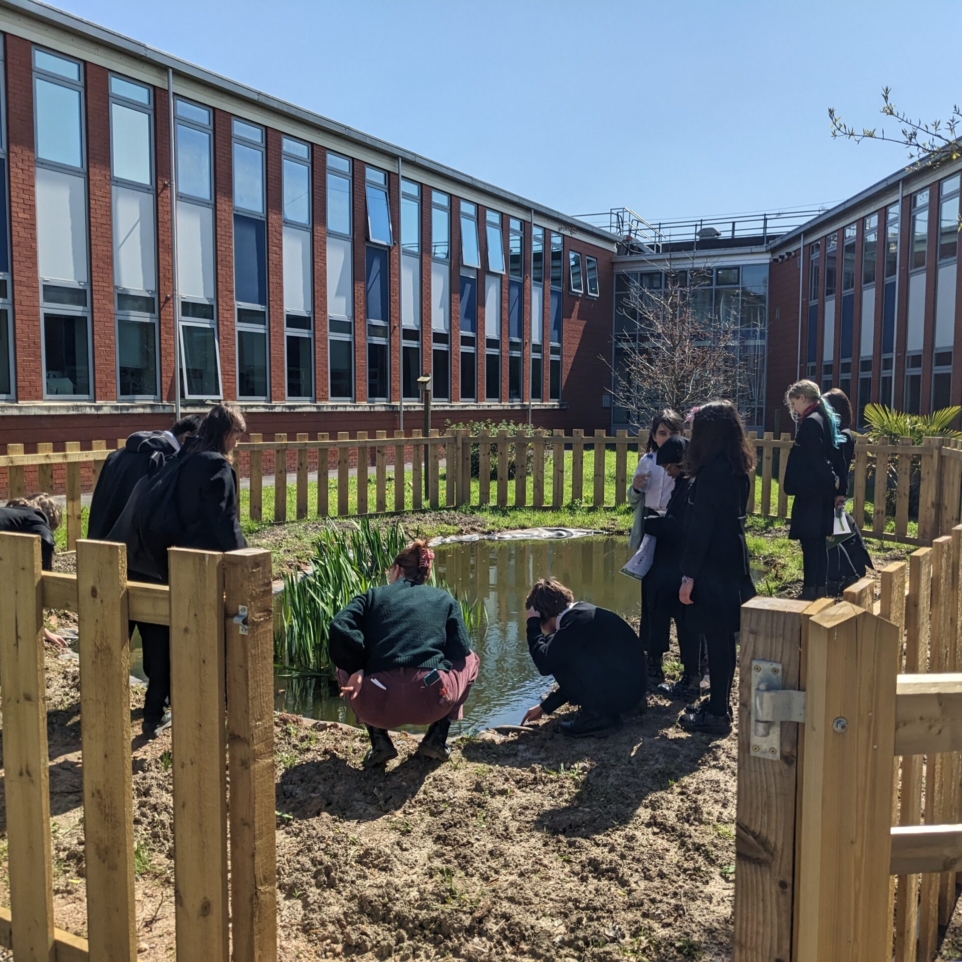
For many, the outdoors feels unfamiliar, even intimidating. Spending a week away from home, outdoors in all weathers and without constant access to technology, can seem like a daunting prospect. Yet it’s precisely these challenges that make our OWLs so powerful. The outdoor experiences which young people face during their OWL often help them build confidence, resilience and perspective – qualities that support them far beyond the week itself. Time and again, our OWL programme sparks lasting, positive change in the children who take part.
It’s made me feel free and all my anxiety has disappeared.
KS2 OWL pupil
What is the OWL Collaboration?
The OWL Collaboration launched in 2021 to champion outdoor learning and help young people flourish on the land.
We work with 10 extraordinary outdoor learning centres (with generous funding support from the Dulverton Trust), because we all believe in the transformational change that immersive residential weeks in nature can offer.
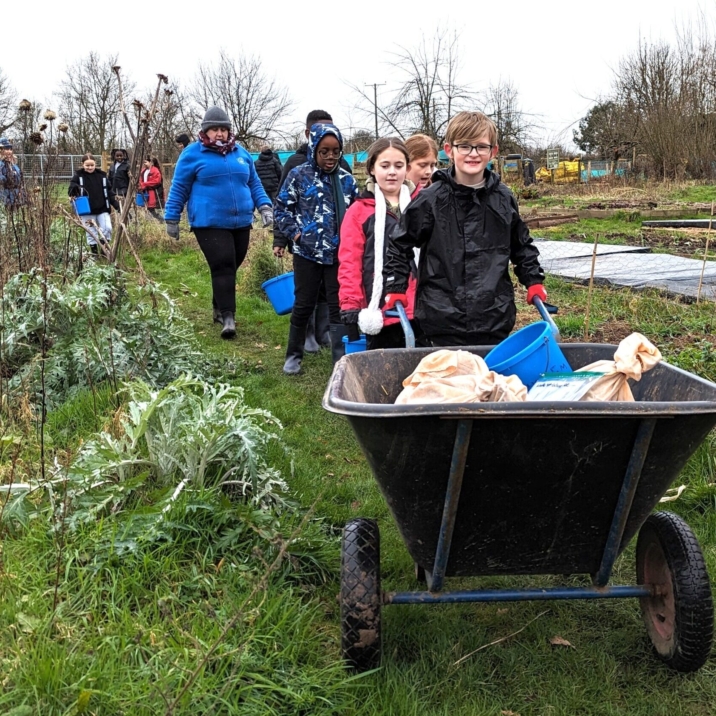
Each of our partners host OWLs and they bring their own expertise to these experiences – offering a combination of nature immersion, curriculum links and therapeutic approaches. And we work with targeted schools to ensure that we are enabling children and young people with the highest level of needs to benefit from a residential week in nature.
As well as partners in delivery, each Outdoor Learning Centre is an active member of The OWL Collaboration Network. Through this Network, we collaborate to share best practice and training opportunties, develop shared resources and use joint evaluation tools to collectively measure the impact of our OWLs.


There are a few key values that all OWLs share…
- Limited access to technology – and this time away from screens is often where young people feel the immediate benefit
- The outdoors in all elements – what can be most intimidating at first, soon becomes a source of resilience and happiness
- Routines and responsibilities – an OWL is not a holiday, and young people thrive with a sense of responsibility and confidence
- A focus on social connection – time to engage with their friends, peers and staff strengthens connection with people as well as nature and the land
- Opportunities for regular reflection – as with any transformational experience, the impact is felt even more strongly when young people have the chance to reflect on it
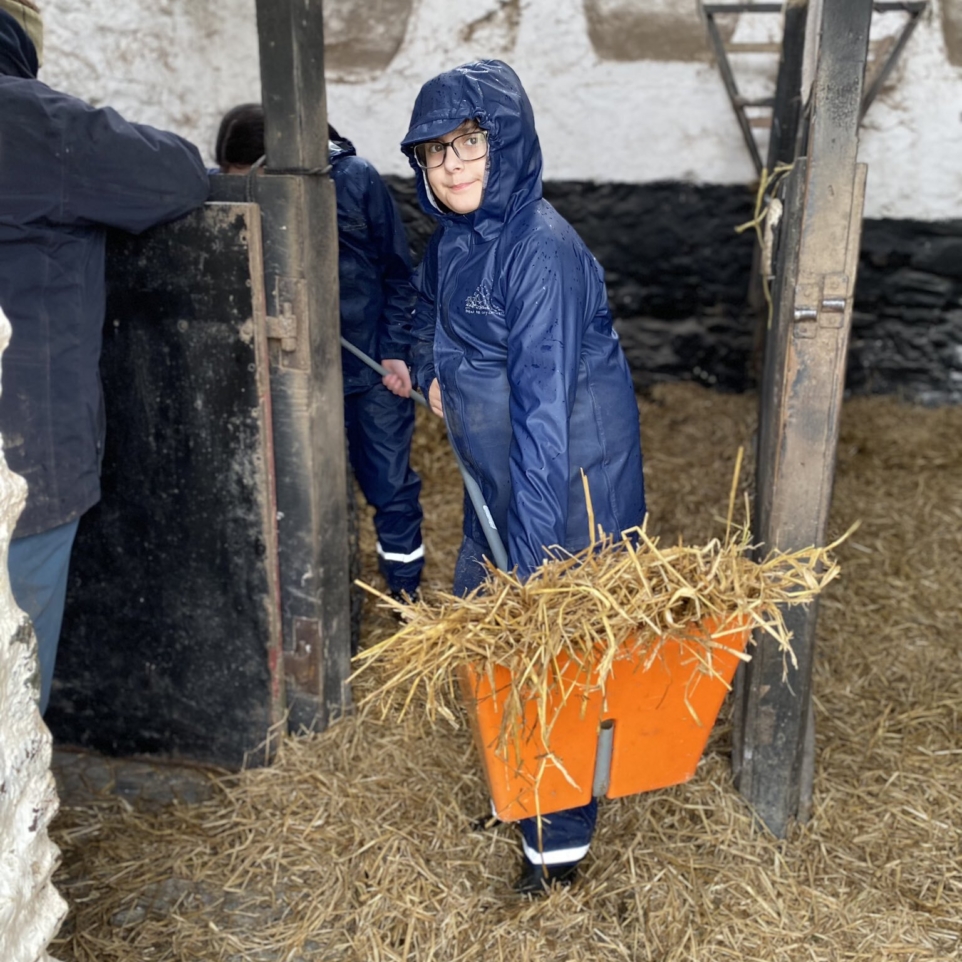
They’re not here to be entertained; the children have responsibilities…that is a lesson they don’t get anywhere else.
Teacher, OWL Primary School
How can I get involved?
We currently work with 10 Outdoor Learning Centres who are at the heart of the OWL Collaboration and we support schools with transport and teacher training grants – as well as the residential week itself.
Our OWL schools for 2026/27 have already been agreed with our partners, but if you are a school that works with underserved young people and you would be interested in joining us in the future please get in touch. And although we are not looking for new OWL partners at the moment, if you are an Outdoor Learning Centre or potential future funder we would always be happy to hear from you.
Watch our ‘Pathway towards personal growth’ video
Explore our land and work
We work with hundreds of partners, schools and farm tenants and we cover thousands of acres across the country. Explore our map to see how our OWL partners’ Outdoor Learning Centres are part of our wider ecosystem of work
Country Trust
The Outward Bound Trust
Queen Elizabeth Scholarship Trust
Groundwork UK
Royal Society of Wildlife Trusts
Food, Farming & Countryside Commission
Youth Moves
Emergent Generation
University of Cumbria
Community Forest Trust
Farms For City Children (Gloucestershire)
Farms For City Children (Pembrokeshire)
The Shallowford Trust
Ufton Court
Magdalen Farm
Lambourne End Centre
Jamie’s Farm (Monmouth)
Jamie’s Farm (Lewes)
Jamie’s Farm (Hereford)
Jamie’s Farm (Bath)
Countryside Education Trust
Wiltshire Wildlife Trust
Wildfowl and Wetlands Trust
Wessex Rivers Trust
The Junction Foundation
Take A Part
SOS-UK
Somerset Wildlife Trust
RSPB
Ocean Conservation Trust
Northumberland Wildlife Trust
Morecambe Bay Partnership
Mersey Rivers Trust
Lancashire Wildlife Trust
Kent Wildlife Trust
Groundwork – Yorkshire
Groundwork – South
Groundwork – NE and Cumbria
Global Link
Cumbria Development Education Centre
Child Dynamix
Canal and Rivers Trust
Action for Conservation
Wild Garsdale Pike
West Cumbria Rivers Trust
The Boathouse Youth
Susan’s Farm CIO
IMO Charity
Headspace
Cumbria Development Education Centre
Creative Sustainability CIC
Bendrigg Trust
The Country Trust (Leics)
Lancashire Youth Challenge
Riversmeet Community Co-op Ltd
Newground Together
LEAF (Cumbria)
Burnley Leisure & Culture
Windmill Hill City Farm
Friends of Westonbirt Arboretum
Bristol Avon Rivers Trust
Avon Needs Trees
LEAF (Linking Environment And Farming)
Tewkesbury Nature Reserve
Severn Rivers Trust
The Birch Collective
Cotswold Conservation Board
Avon Wildlife Trust
Watchtree Nature Reserve
ParkView4U
LESS Lancaster District
Cumbria Wildlife Trust
Creative Sustainability
Gloucestershire Wildlife Trust
Small Woods
Gore Farm
Chatsworth
Forest of Bowland National Landscape
Low Beckside Farm (Farm-Based Learning and Land-Based Skills)
Fairford Park (Land-based Skills and Outdoor Learning)
Gore Farm, Trent (Farm Visits)
Redwood Outdoor Learning Centre
Low Beckside Farm
Ernest Cook Trust Trent Estate
Ernest Cook Trust Slimbridge Estate
Ernest Cook Trust Barnsley Village Estate (Home Estates)
Ernest Cook Trust Filkins Estate (Home Estates)
Ernest Cook Trust Hatherop Estate (Home Estates)
Ernest Cook Trust Fairford Park Estate (Home Estates)
Ernest Cook Trust Hartwell Estate
Ernest Cook Trust Little Dalby Estate