Working at the crossroads between conservation and environmental education, I’ve noticed something. Spend five minutes with a group of environmentally-minded young people and it won’t be long before somebody suggests rewilding something. A field… A farm… A golf course… Potentially Swindon.
Seriously though, you mention any unused patch of land and within seconds somebody asks: “Could we rewild it?
It’s become the environmental equivalent of suggesting therapy.
“My marriage is falling apart.”
“Have you tried rewilding it?”
I understand the appeal and rewilding has captured the public imagination for obvious reasons. Who doesn’t relish the thought of vast landscapes reimagined into natural wildernesses. No Teams calls, or emails, or LinkedIn thought leadership. Just you, some sphagnum moss and a legally protected population of glow worms…bliss!
But I do sometimes worry we’ve overcorrected slightly. Let’s remind ourselves that native British species have not all spent their entire evolutionary history in the wilderness waiting patiently for humans to disappear.
The clue is in the name, because whoever named much of British wildlife wasn’t being mysterious. The naming convention basically went something like this:
Right where did you find it?
In a corn field.
Excellent, write that down.
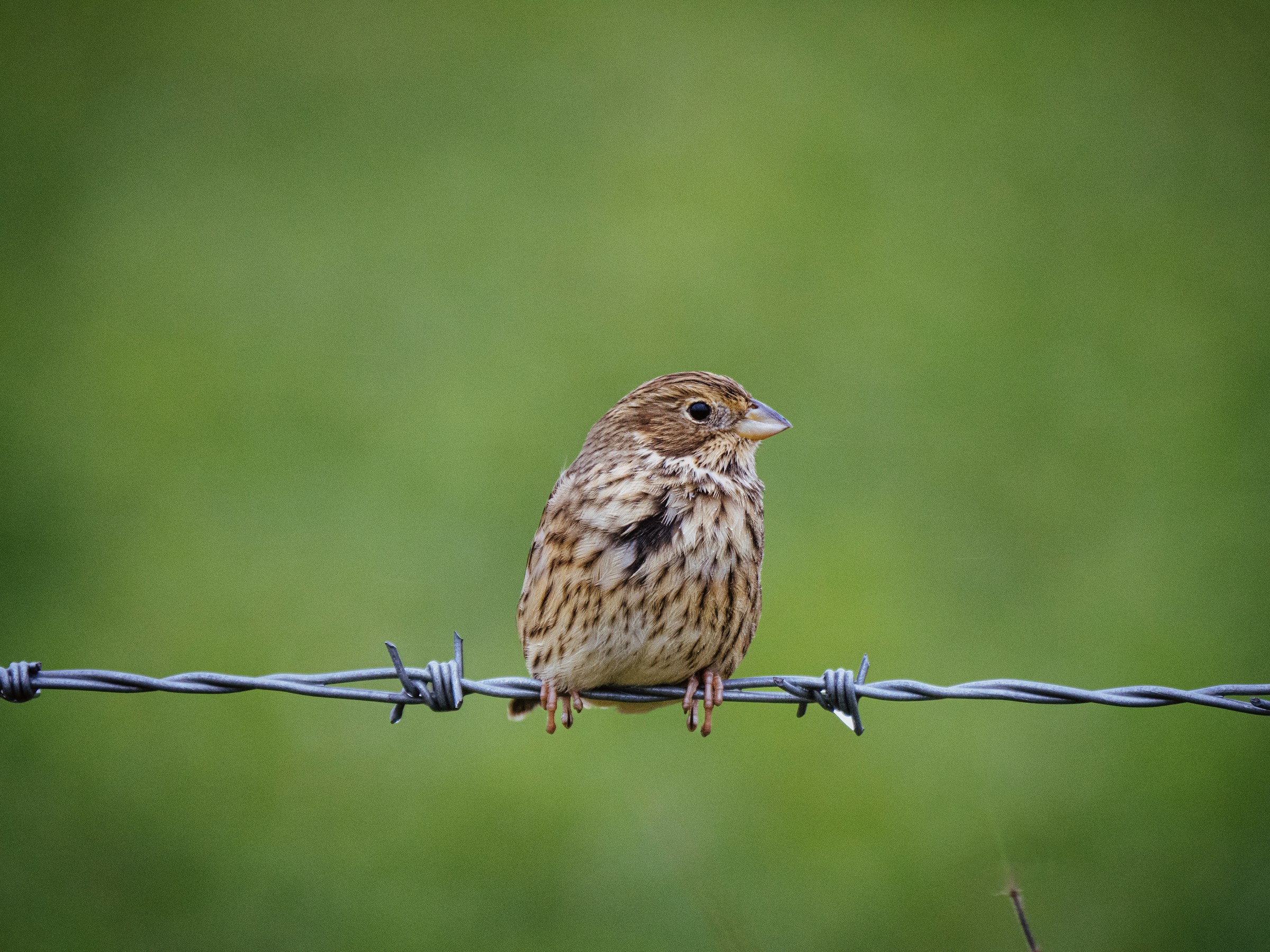
Corn Buntings and Corn Cockles – can’t imagine they spent most of their childhood forest bathing.
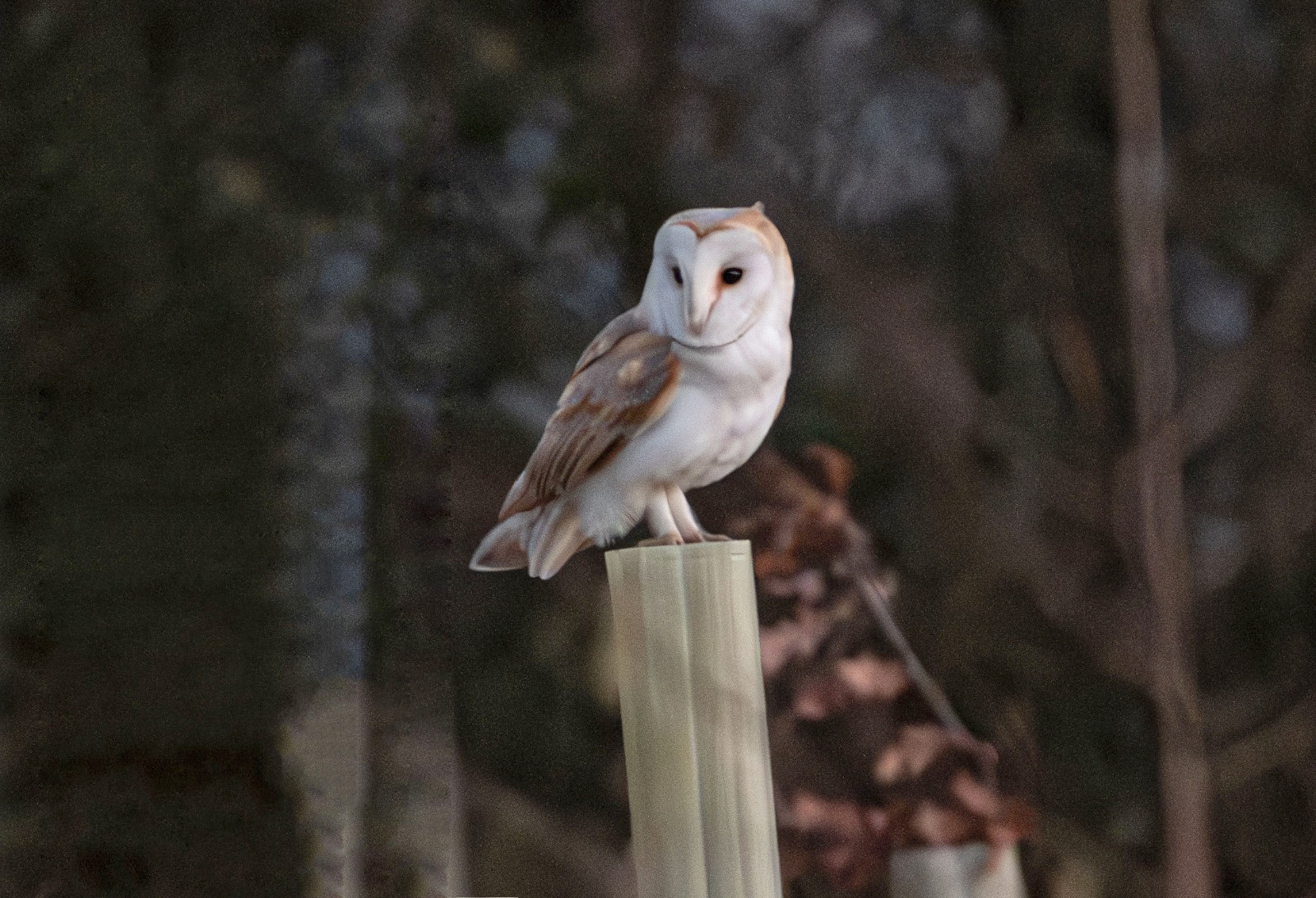
Barn Owls are probably not named after their deep and principled opposition to barns. Farm buildings are their entire brand.
The Linnet is named after its fondness for flax and linseed, and gets very angry when fields are in fallow.
Then there’s the Harvest Mouse, which sounds less like a species and more like a seasonal worker:
Must be comfortable working at height in cereal crops. Candidates with dense woodland experience need not apply.
The Noble Chafer beetle has staked its entire existence on traditional orchards.
Cockchafer… Some etymological origins are perhaps best left unexplored.
Finally, we have hedgehogs. People LOVE hedgehogs. But we don’t call them hedgehogs because they love the jungle.
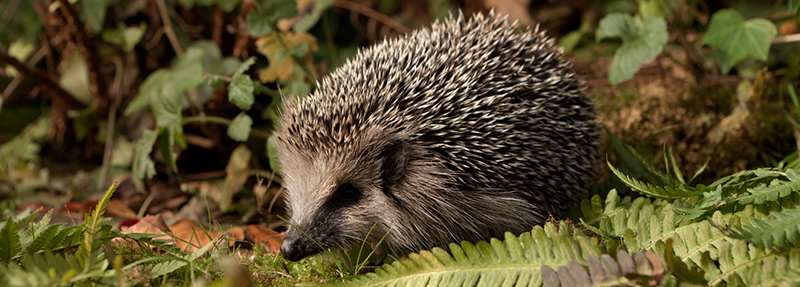
Photo courtesy of British Hedgehog Preservation Society
They’re literally called hedge-hogs. Their entire ecological strategy is essentially:
Have you got a hedge?
Yes.
Brilliant. I’ll be under that.
What all this adds up to is that a surprising amount of British wildlife has become rather attached to the countryside as it is. A lot of the species we care about aren’t associated with untouched wilderness at all. They’re associated with landscapes shaped by people managing land over centuries: hedgerows; hay meadows; grazing marshes; wood pasture; farm ponds; orchards; dry-stone walls.
And really that’s not surprising.
For most of our history, people didn’t really talk about “nature” and “farming” as separate things.
They were simply part of the same landscape. A corn bunting wasn’t a conservation success story. It was just a bird that lived in a corn field. A barn owl was an owl in a barn. The idea that nature lived over here and farming happened over there is actually a fairly modern concept. The wildlife, meanwhile, appears not to have received the memo.
Britain’s wildlife is weird and wonderful and many of our most treasured landscapes are semi-natural, which admittedly sounds like something you might read on the side of a yoghurt pot.
Contemporary conservation debates can sometimes sound as though we’re choosing between nature and people. In reality, many of the landscapes we love are the product of a very long, complicated and occasionally dysfunctional marriage between the two. Neither party is entirely happy. There are unresolved issues stretching back years. But somehow they’re still together… just.
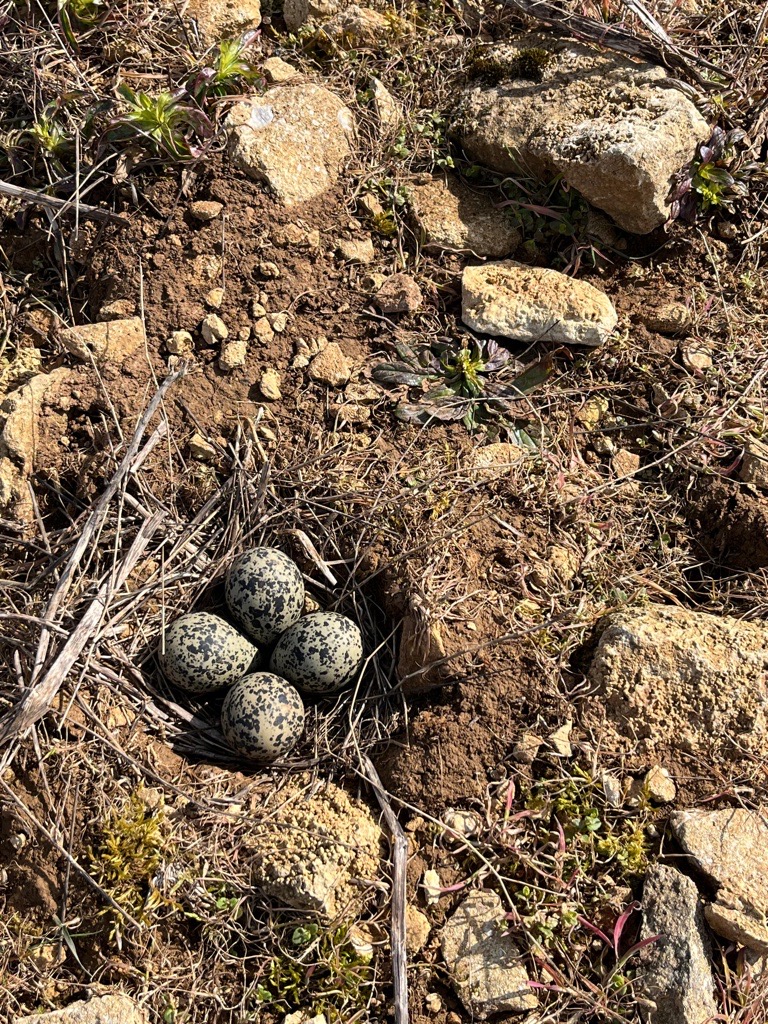
Of course, that doesn’t mean everything is fine. Many of these habitats and species are in trouble. Corn Buntings, hedgehogs and countless others have declined dramatically as landscapes have changed, often very rapidly, over the last century.
But that rather proves the point. The challenge isn’t whether humans should influence landscapes: we already do. The challenge is what kinds of landscapes we’re creating and whether there is still room within them for the wildlife we value
None of this means we need less nature connection. We definitely need children climbing trees, turning over logs, getting muddy and discovering that nature is far more interesting than most of the internet.
But eventually somebody has to manage the thing. Nature connection is often the beginning of the journey, it just can’t be the end of it. We need people who understand how to make room for wildlife while also producing food, managing water, restoring habitats, supporting livelihoods and facilitating access.
And we need examples of what good looks like. Because otherwise the same people that value and love nature will look at a beautiful species-rich floodplain meadow and say:
Shame.
What’s a shame?
All those weeds….
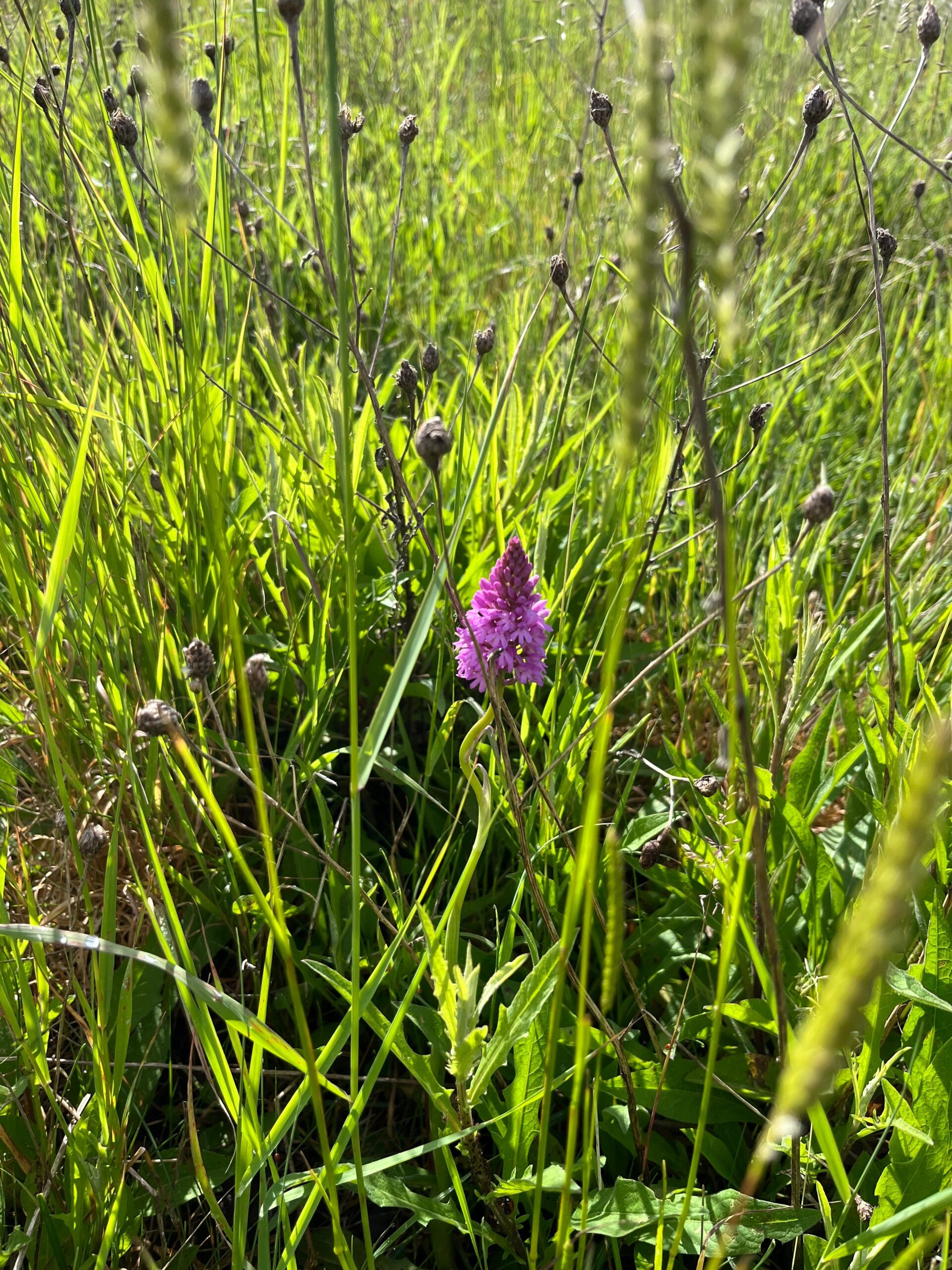
(FYI this is a pyramid orchid, a recent example of the array of wildflowers that thrive in some of our unmanaged corners of fields, thanks to our Estate Ranger Steve)
The future probably lies somewhere between rewilding and spraying the bejesus out of everything. Which is why land management education and skills need to be central to our learning work with young people.
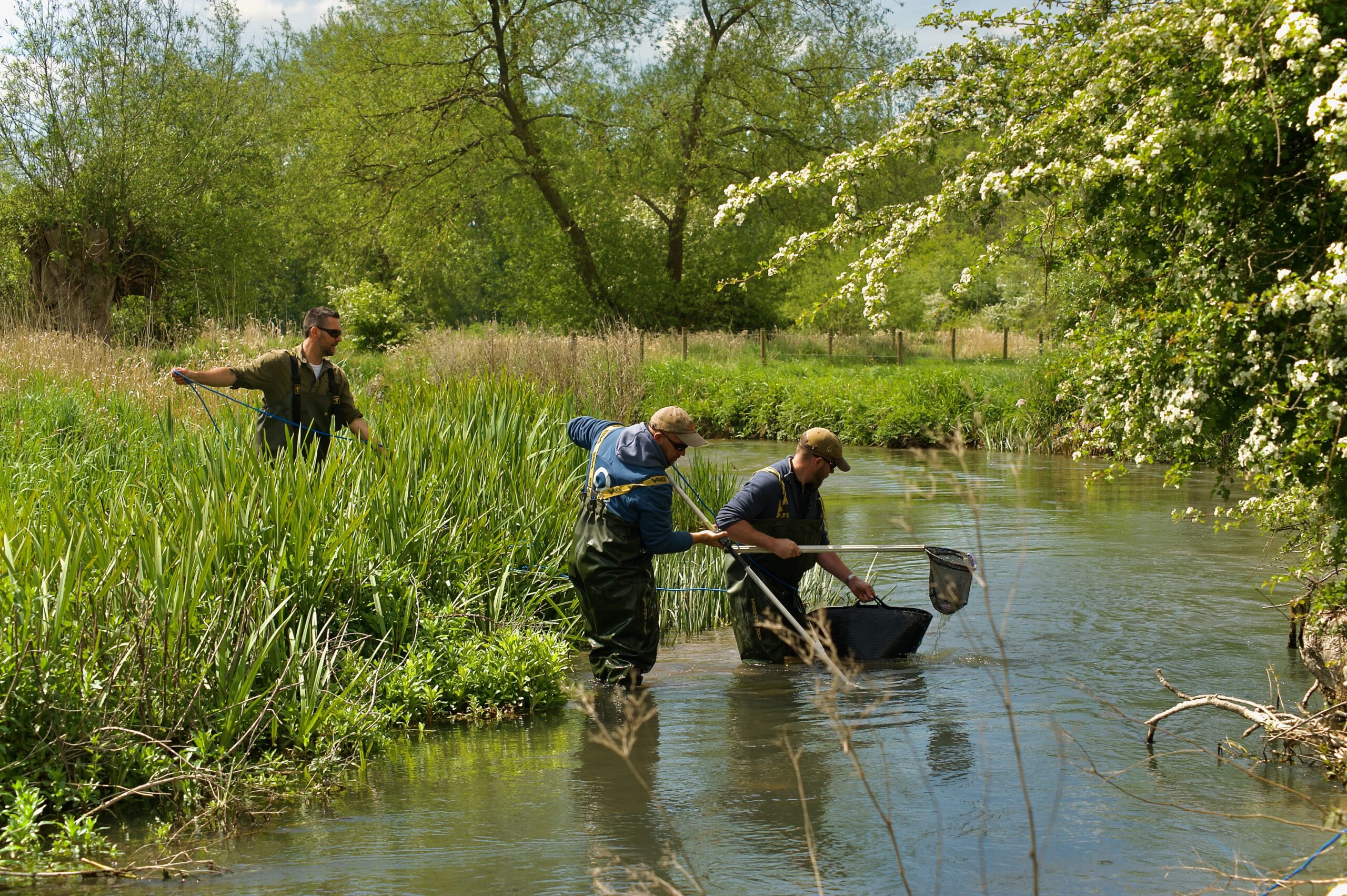
We need future ecologists and conservationists, yes. But we also need future farmers, foresters, gamekeepers, rangers, planners and land managers.
People who understand that stewardship is less about ideology and more about judgement and who can hold several objectives at once… Food and nature. Access and conservation. Economics and ecology. People and place.