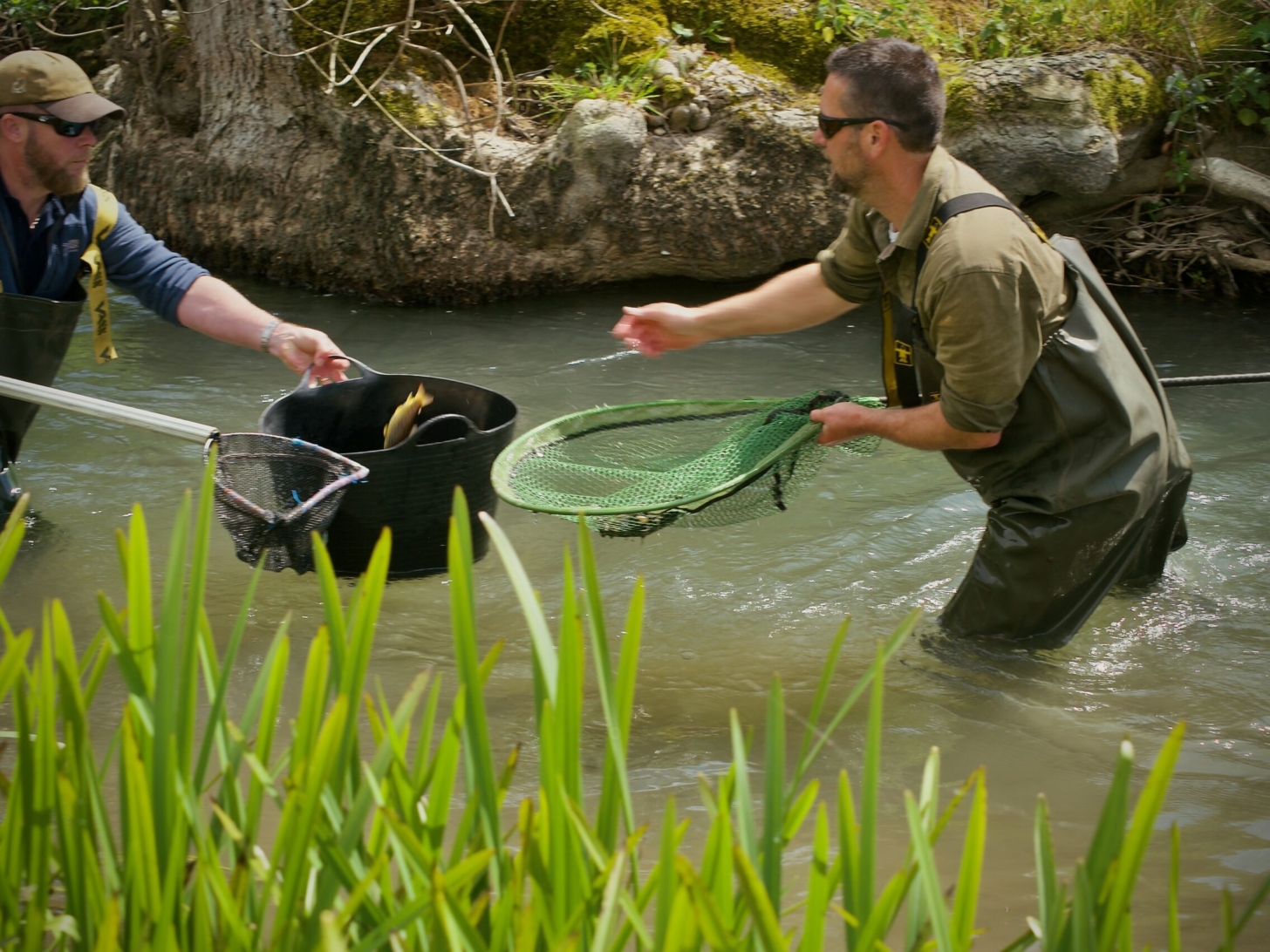
Electrofishing is a really important management tool and gives a fantastic snapshot into the health of the river.
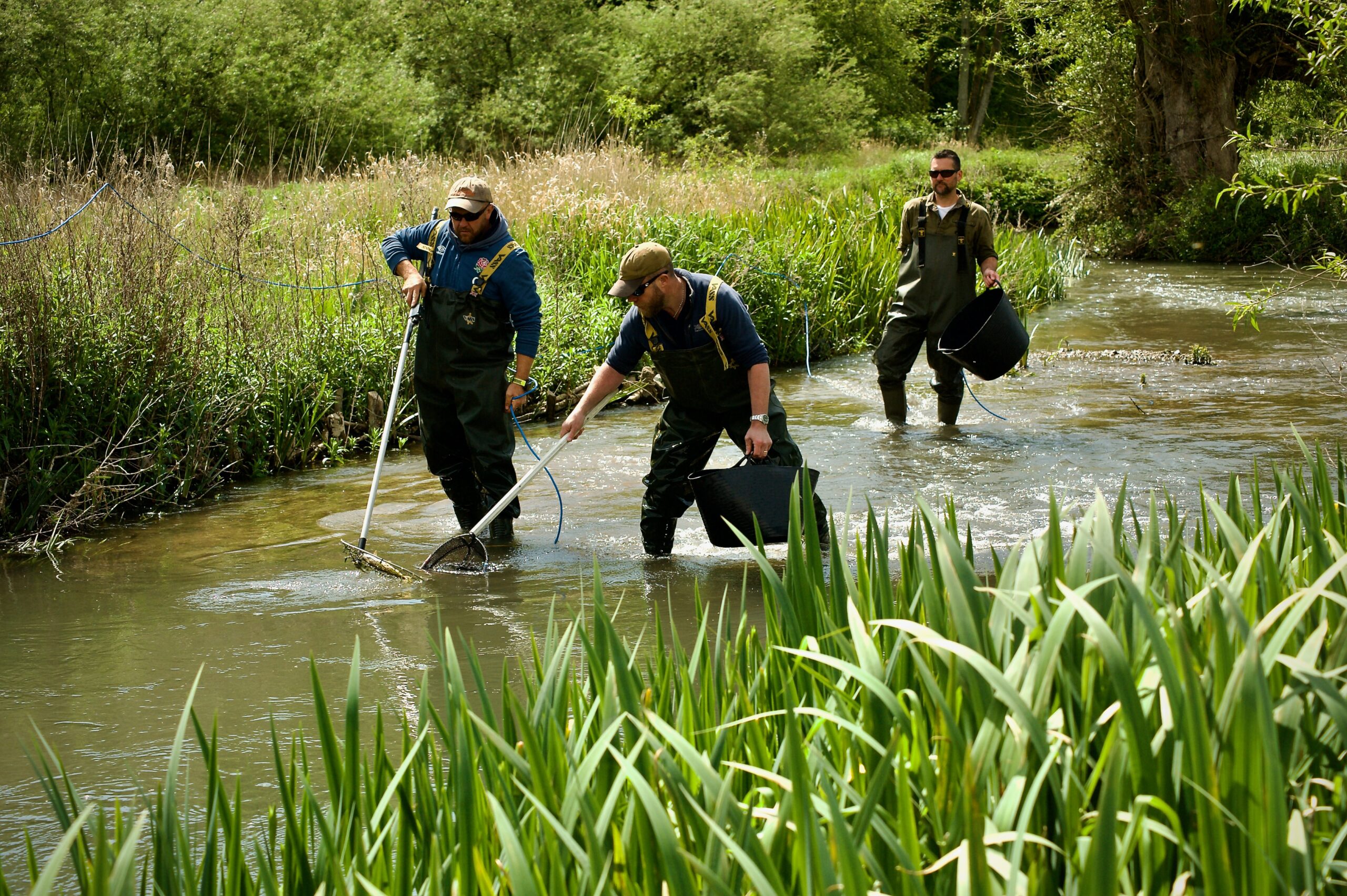
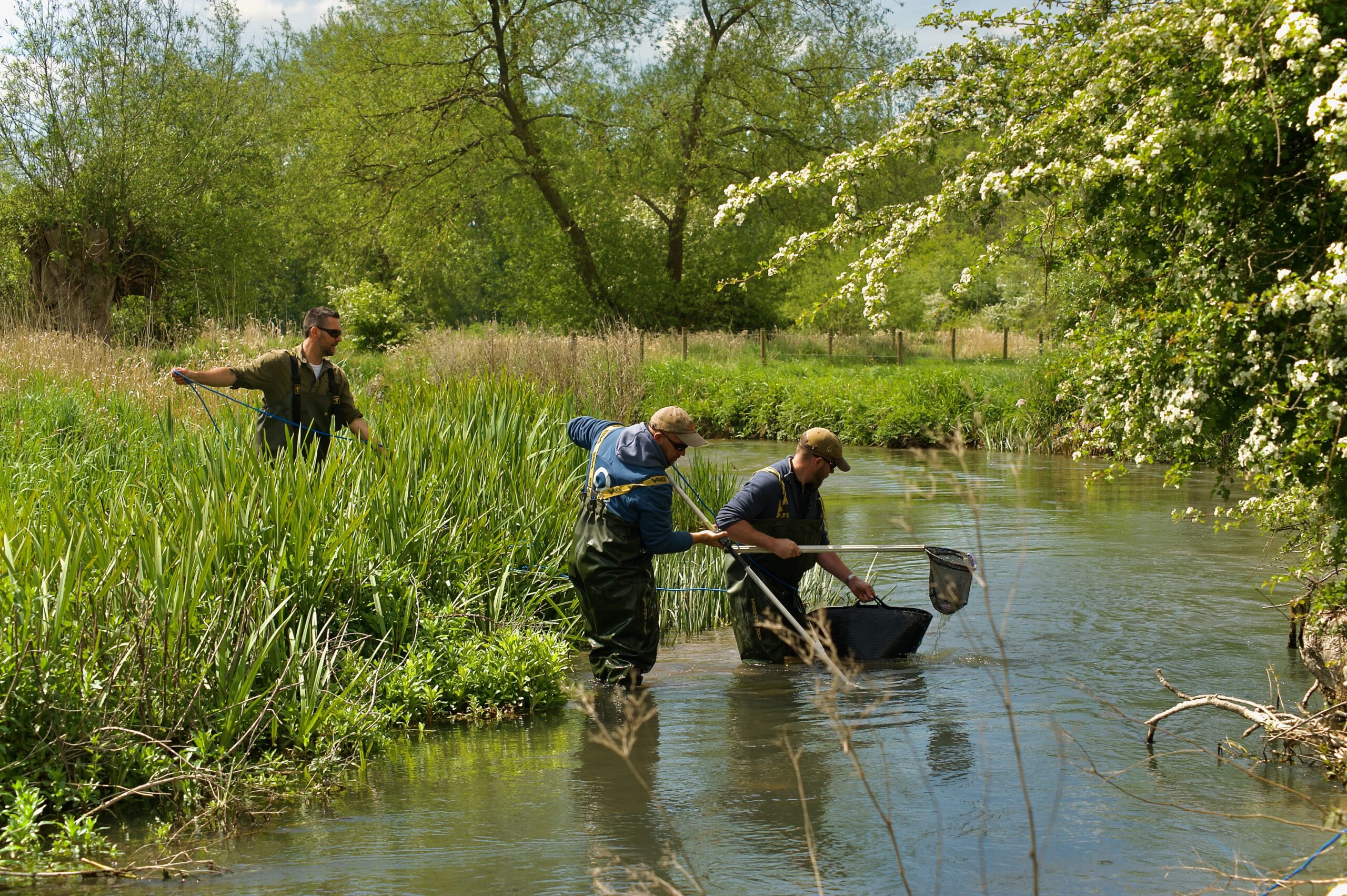
Earlier this month I invited Ben and Will from UK Coarse Fish down to the River Coln in Gloucestershire to carry out an electrofishing survey. I had been keen to survey the fish populations in the river since taking up the post here. However, the conditions last spring and summer (2025) conspired against me. The prolonged heatwave, high water temperatures and low water levels we experienced last year were terrible conditions for this kind of work. Warm water carries less dissolved oxygen than cold water, leading to fish becoming stressed. Add to this very low water levels, which afford the fish far less cover and refuge, and you can see why the added stress of being chased around by a river keeper would probably do far more harm than good!
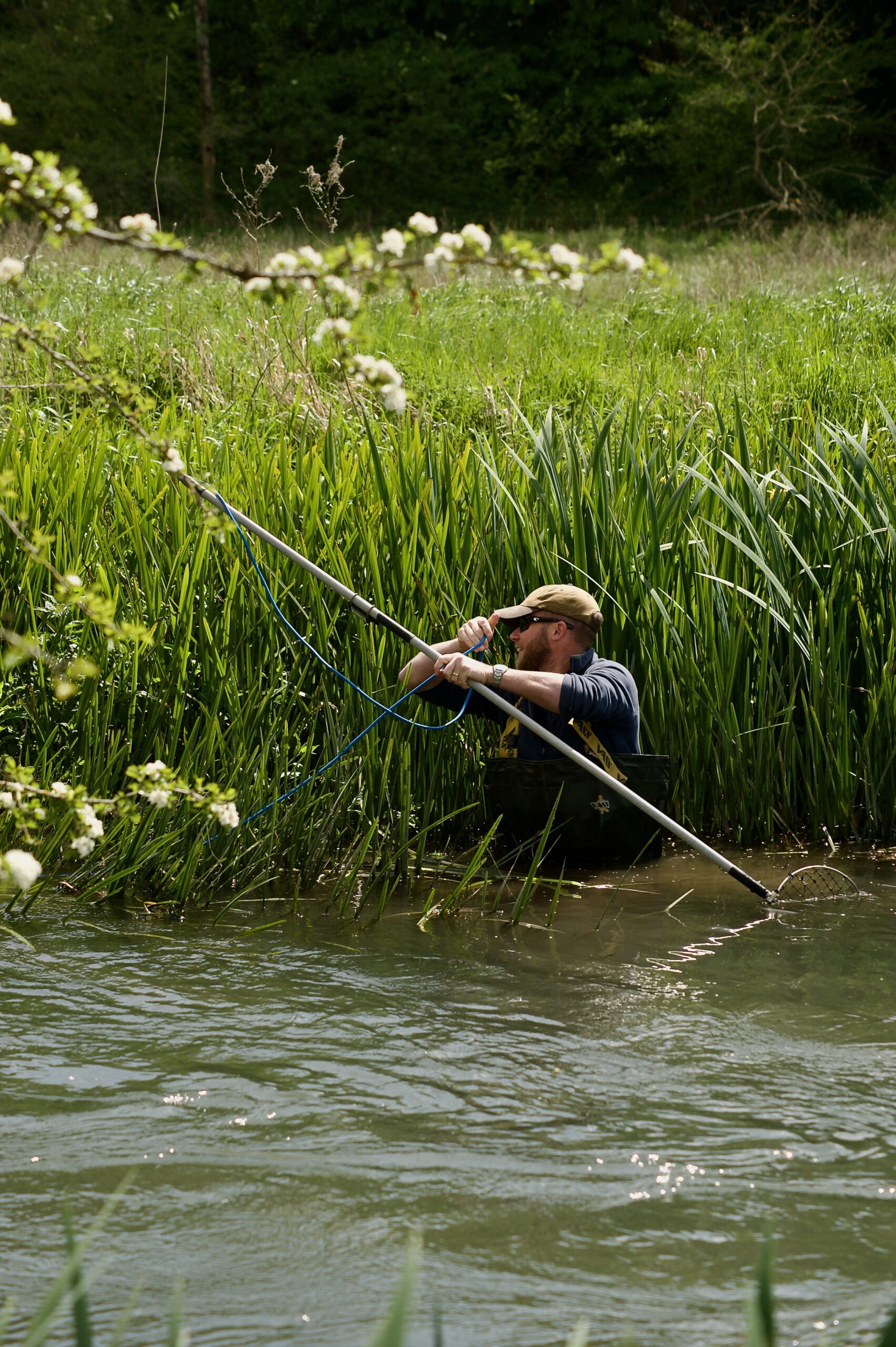
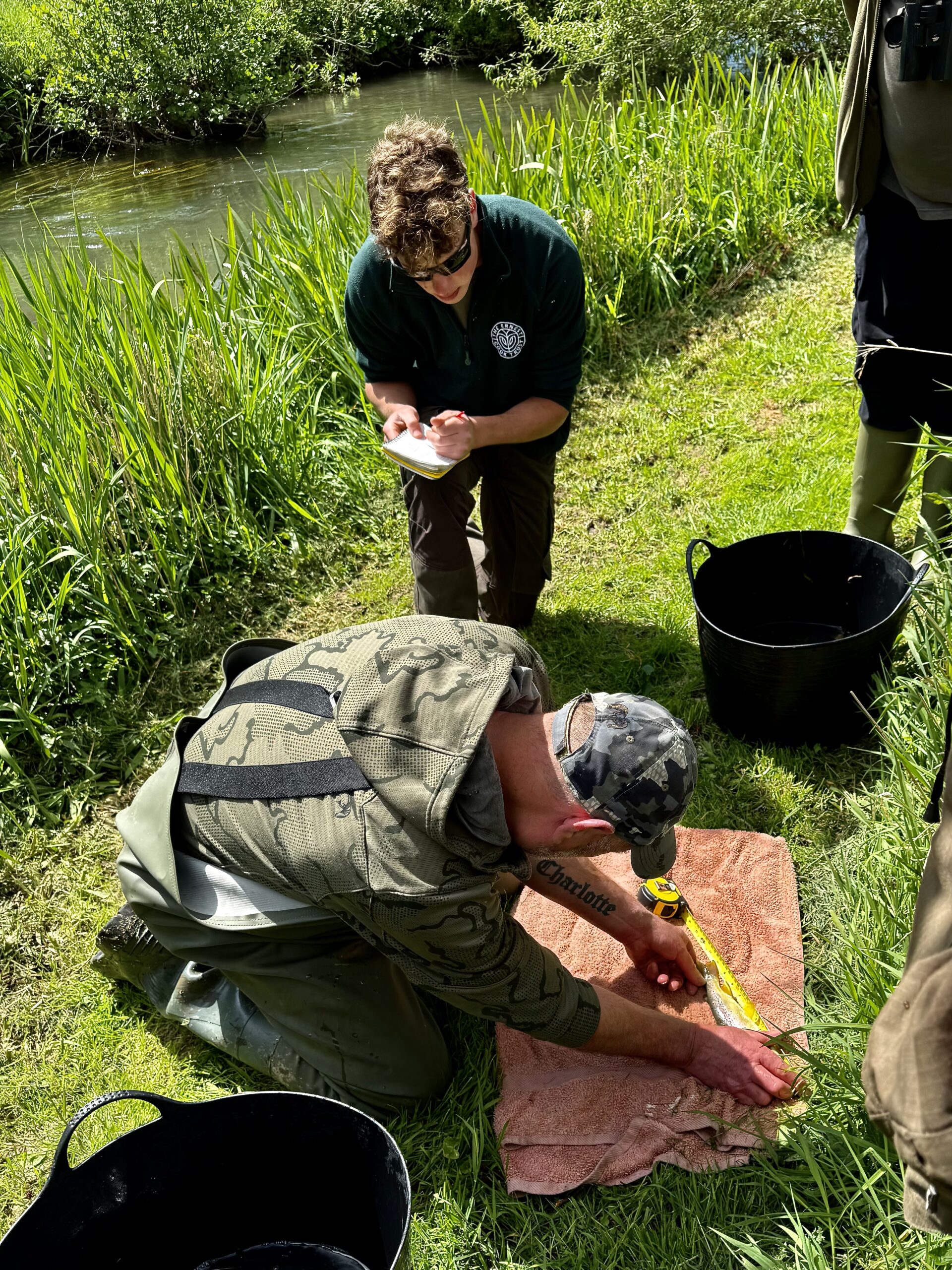
Electrofishing involves passing an electric current through the water to temporarily immobilize the fish. They can then be collected in a net, transferred into a bucket and carried on to the bank, before being weighed, measured or both, depending on what information you wish to record. There are many reasons why you may wish to have a water electrofished in this way. The main one here is to set a baseline for what species and year classes of fish we have, and where in the river system they currently reside. As we have moved away from stocking trout into the river, and fully embraced becoming a wild fishery, it’s vital that we do our very best to provide these wild fish with the correct habitat.
By regularly monitoring the fish population, we can measure the impact of any habitat improvement work we carry out. If we see an increase in fish numbers, we’re getting something right. It also indicates areas of the river where work may be needed to perhaps improve fry (juvenile fish) recruitment by providing better refuge areas, or where population bottlenecks can be eased by better connectivity of the river channel.
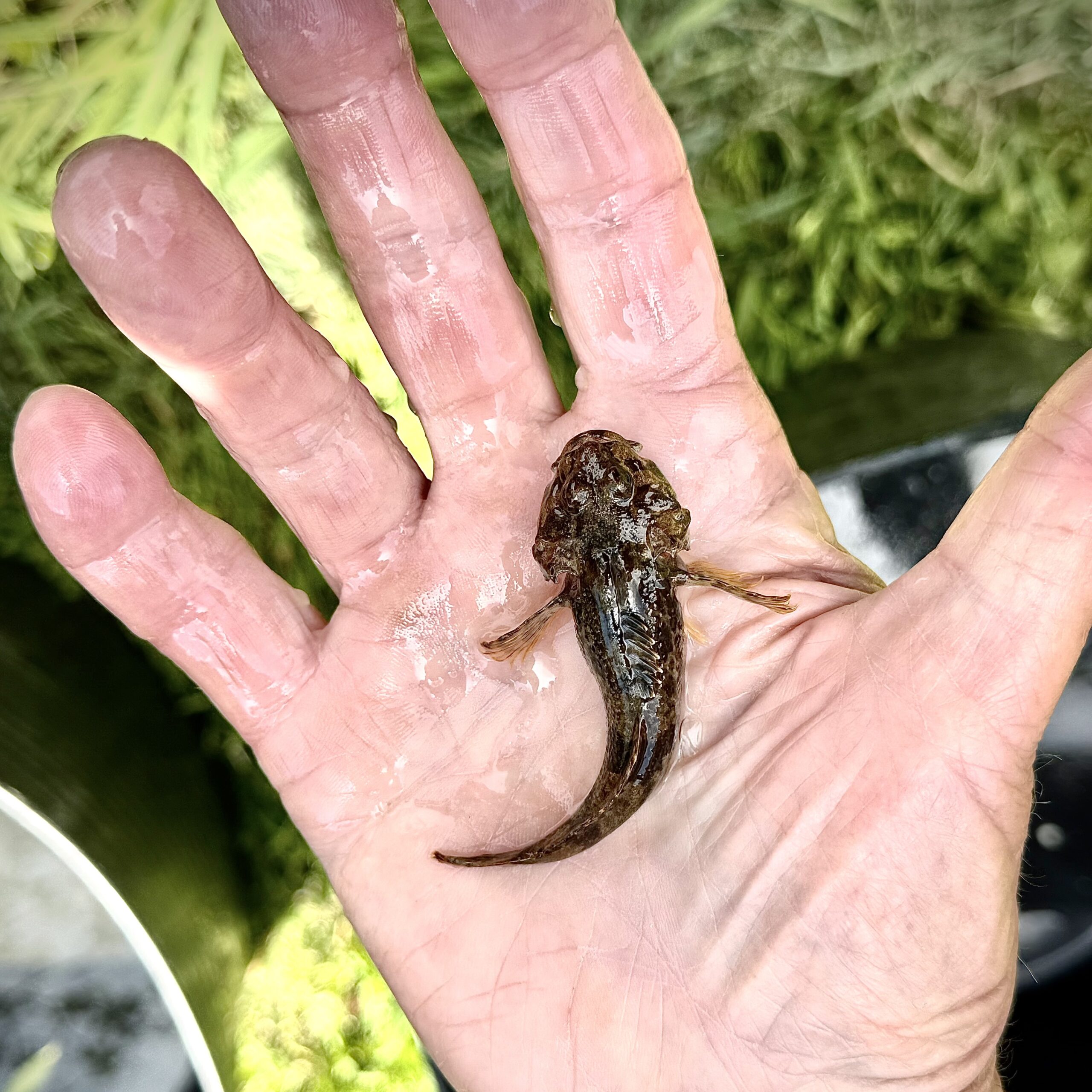
The species of fish caught also give you a clue as to the water quality within the river. For example, we have a good population of grayling along the river here. Grayling are a brilliant indicator species, as well as being my favourite of all fishes. They will not tolerate poor water quality. So, to have several year classes of grayling show up during this survey is particularly positive.
Overall, electrofishing is a really important management tool and gives a fantastic snapshot into the health of the river.
Going forward my plan is to alternate between surveying the upper reaches one year and lower reaches of our beats the following year. By dividing the river in this way, every year we will build up a better picture of what is happening with fish populations along the three miles of the River Coln I manage here at the Ernest Cook Trust.