There is no doubt that this is going to make our jobs more challenging… but as anyone who has spent any time outdoors will know (whether camping, hiking, on a farm, or even just a longish walk), sometimes embracing the challenging option has the best outcome.
The physical landscape comes with a lot of ups and downs, pitfalls and tricky terrain – and the digital landscape feels even more treacherous.
In our case, with online imagery, we’re really confident that this challenge is the right one to embrace.
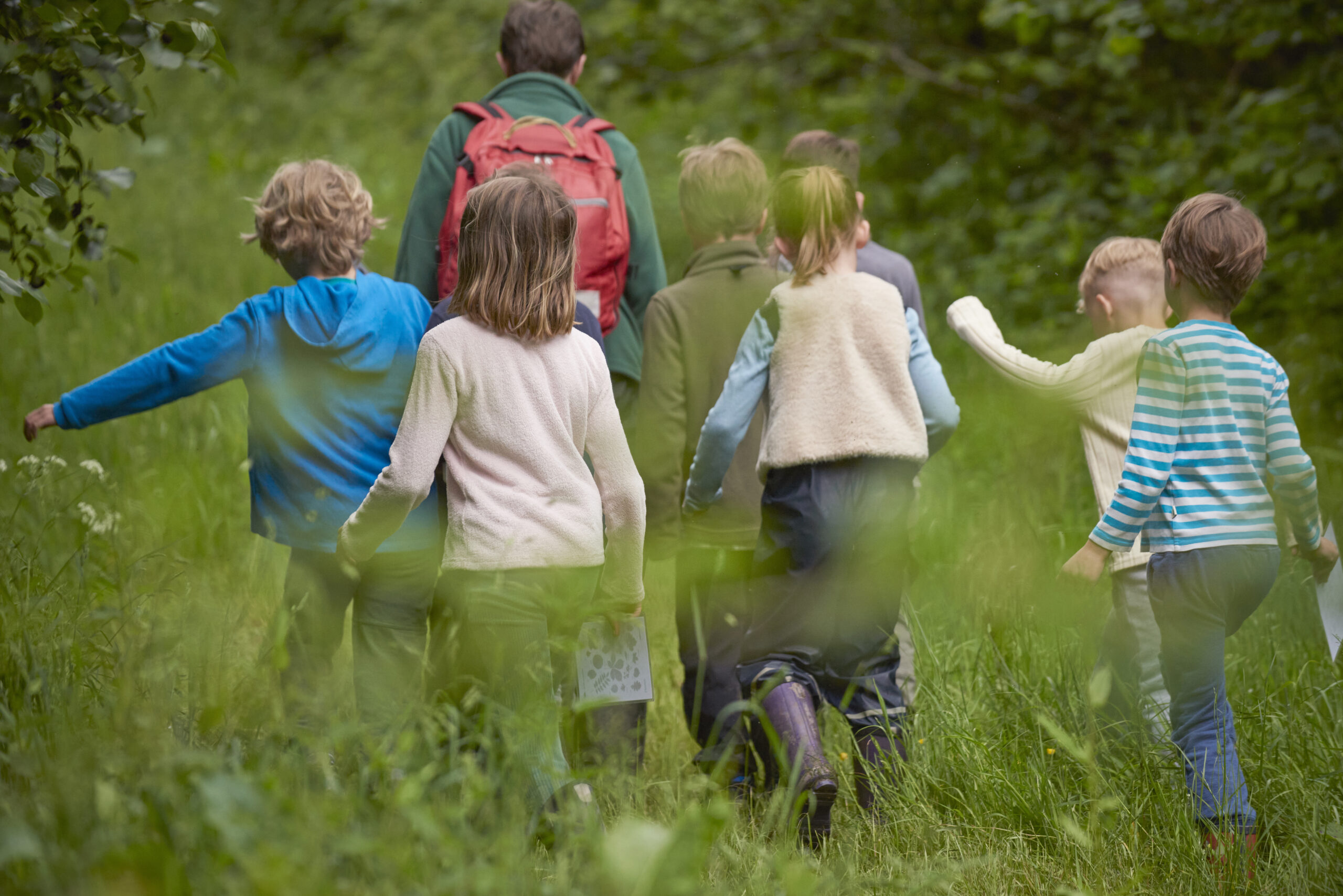
It would be easier for us to continue to feature photos and videos that capture young people and children’s experiences in nature. We all love that look of awe when a child first sees an insect up close. Or even the look of disgust as they plunge their hands into cold damp soil for the first time! There’s nothing better than that flash of pride when a child achieves something they had thought impossible. And one of my personal favourites is the look of peaceful contentment, eyes shut and face to the sky, when a child surrenders themselves into nature.
We would love to show you all these things and more.
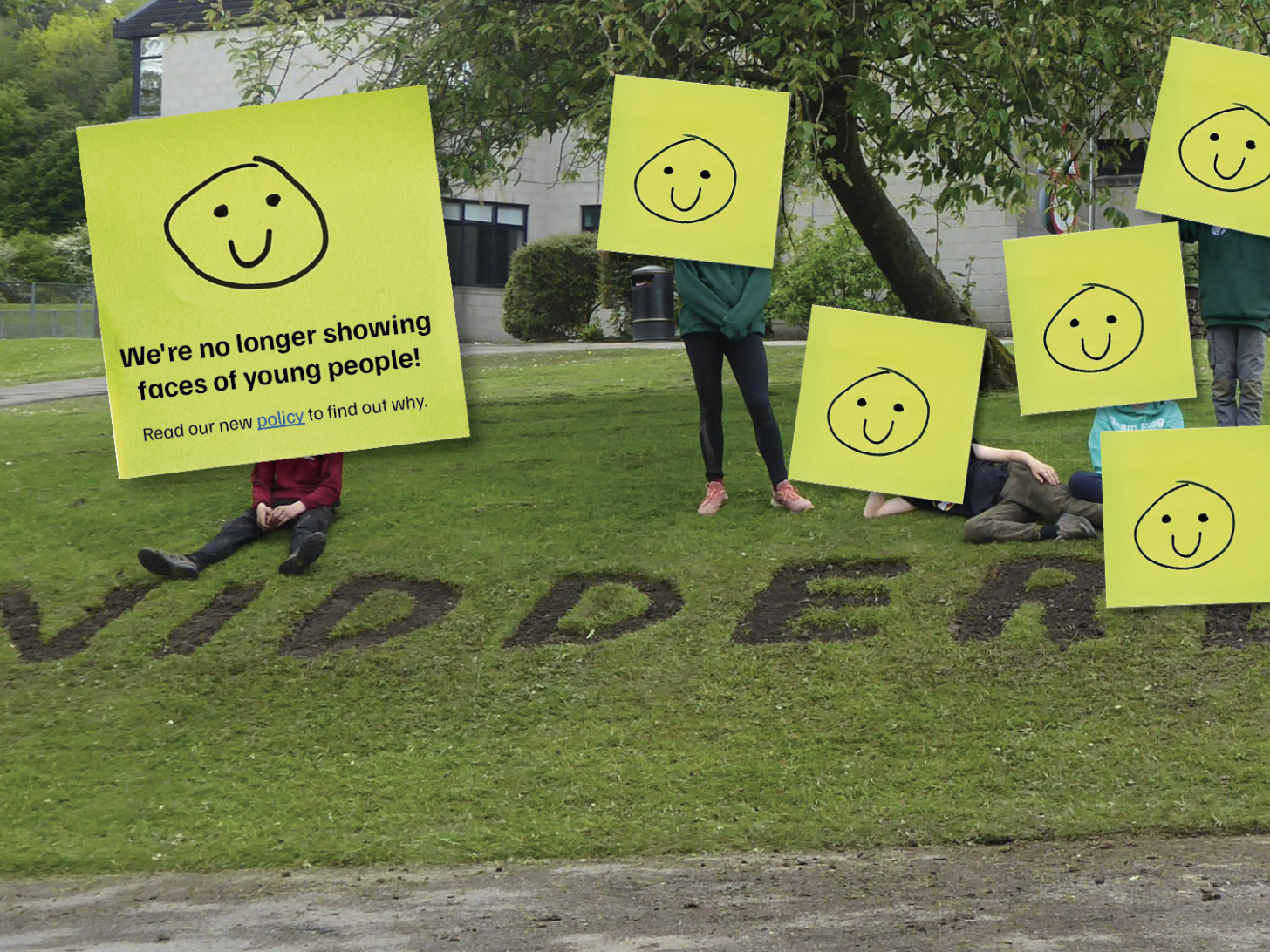
But unfortunately, the internet has changed. AI has changed the rules. Social media is a different place to what it used to be. And at the Ernest Cook Trust we no longer feel comfortable sharing images of young people and children on our digital channels. We believe the risk of AI manipulation and theft is too great. Consent is an important consideration – but do we know what we’re consenting to anymore?
Even making this decision is a difficult one. I personally find AI-generated imagery either annoying, offensive or dangerous depending on its purpose (or my blood sugar levels). On the one side I think we should saturate the internet with real people, real nature, real beauty and end the obsession with AI bunnies hopping on a trampoline. Real bunnies are better! But this is an idealistic take, and real images are inevitably used to generate the fake ones. And as I said, the manipulation of a real image with AI can be annoying, or it can be offensive, and in many cases it can be dangerous.
So we’ve turned away from the easy path and we’re starting the climb – here comes the challenge!
We are committed to finding other ways to capture those feelings of awe, pride and happiness. We could describe them to you, like I’ve just done above. We’ll definitely ask young people to capture those connections with nature in illustrations. We can show you the natural world that inspires those moments. And we will use audio to make sure young people’s lived experiences are still front and centre.
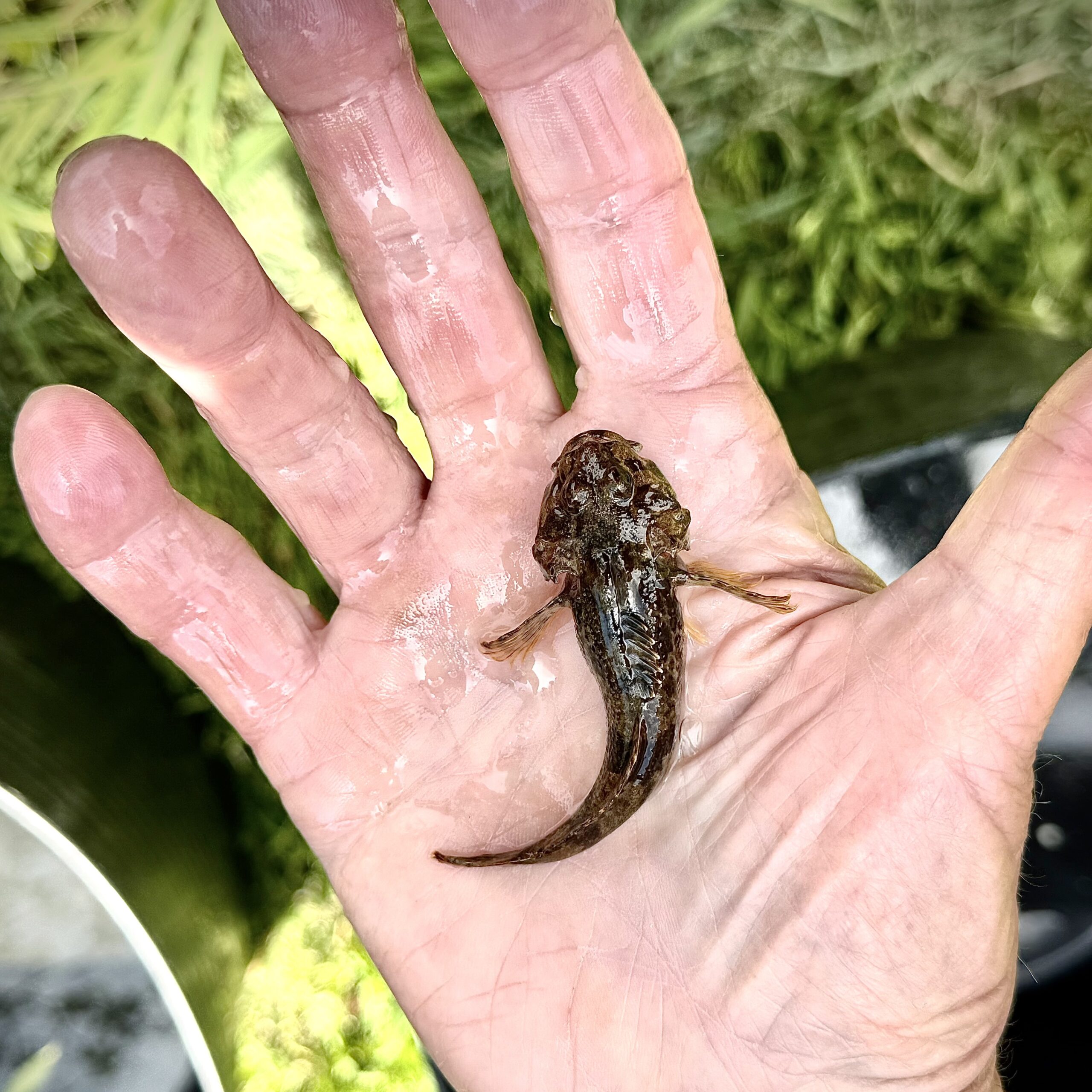
And in the spirit of transparency, we will also continue to feature young people over the age of 18, the adults we work with, and on rare occasions we will use paid models and actors. We will also share other organisations’ imagery sometimes. We’ve made these decisions because we know that real people still need to exist on the internet and consent or remuneration changes the boundaries. We want to draw the line somewhere sensible that allows us to still communicate the impact we and our partners can have – and we believe this is where to draw it.
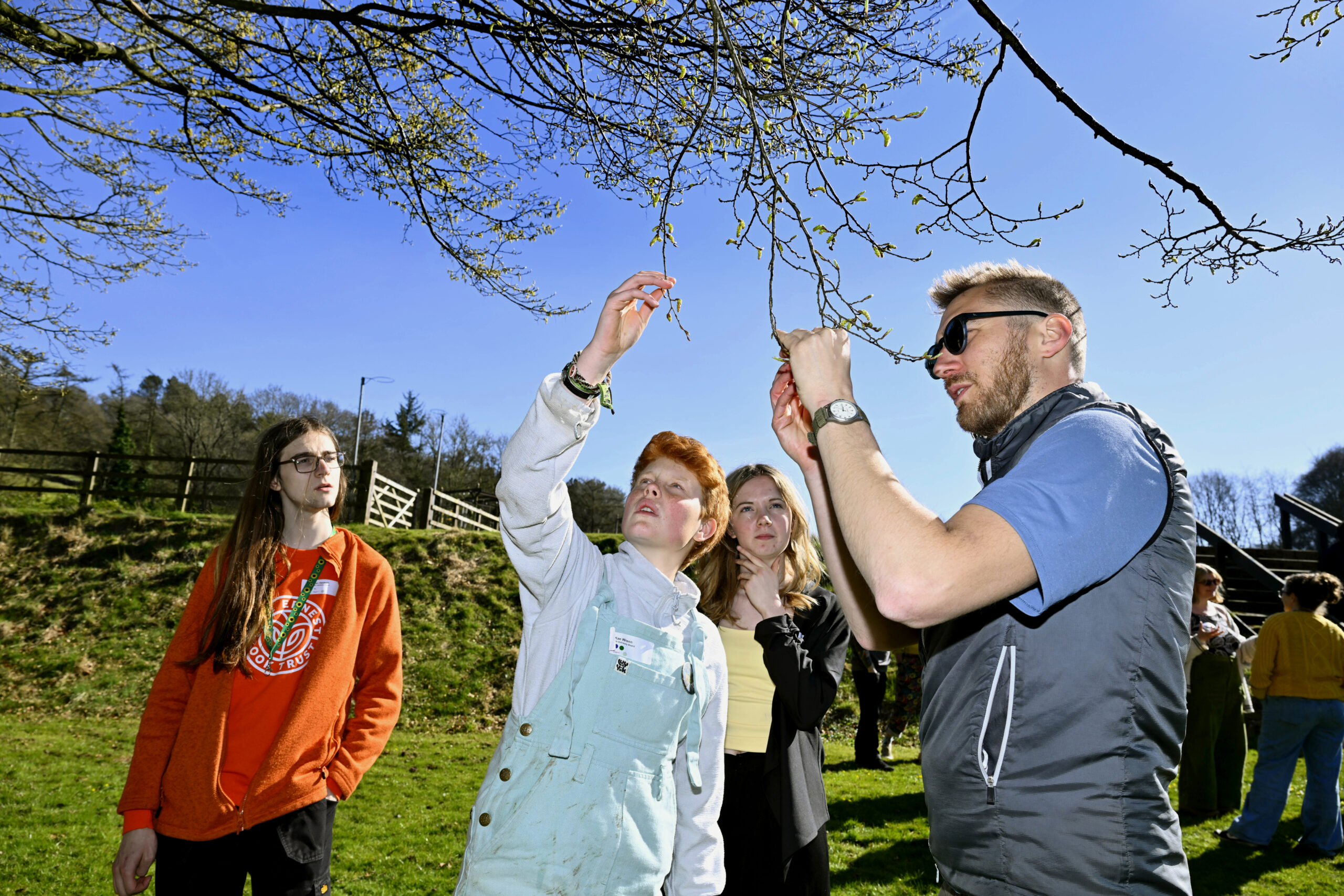
Ernest Cook Trust Blue Influencers Conference, 2025 (Copyright Stuart Walker Photography 2025)
We already have a commitment in our team to not use AI-generated imagery or text, for three main reasons. Firstly we value authentic connection to our audiences too much to outsource our creativity. Secondly because there is too great an environmental cost for Gen-AI, and our organisation values the environment on an intrinsic level. And finally because we just don’t need to – the natural world is wonderful enough without fake videos or altered images.
And these three things that shape our position on Gen-AI are the same things that drive our new policy to limit images of children and young people online:
1. We value our creativity.
2. The (potential) cost is too high.
3. And we don’t need to.
You may disagree. We will almost certainly slip up at some point. You might think this is too extreme or not far enough. Either way we’d love to hear your feedback via email or on our social channels. And you can read the policy here…
Hopefully, we can face the challenges in this digital landscape together.