This blog was written to coincide with British Food Fortnight 2026, a celebration of British food in its 25th anniversary year. As a landowner with 25 farms, many with their own food-related businesses, this is one awareness campaign we’re keen to promote, not least because it shines a light on our hard-working farmers. In this blog, Outdoor Learning Leader Jane, gives more food for thought, explaining why farms make the best outdoor classrooms if we really want children to understand the story of food production in the UK.
I’ve always believed that some of the best learning happens when children are given the opportunity to get outside, get curious and experience things for themselves…
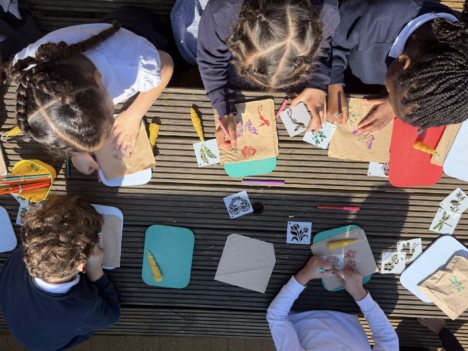
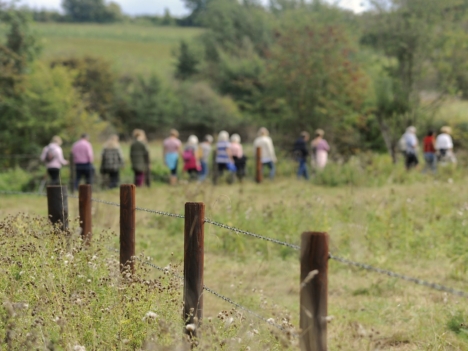
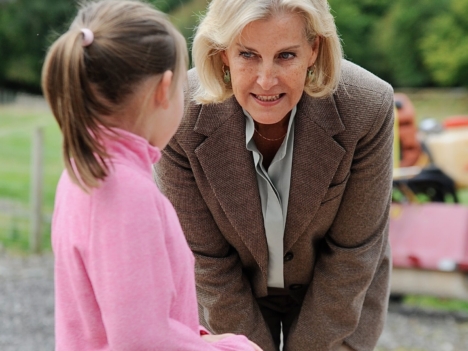
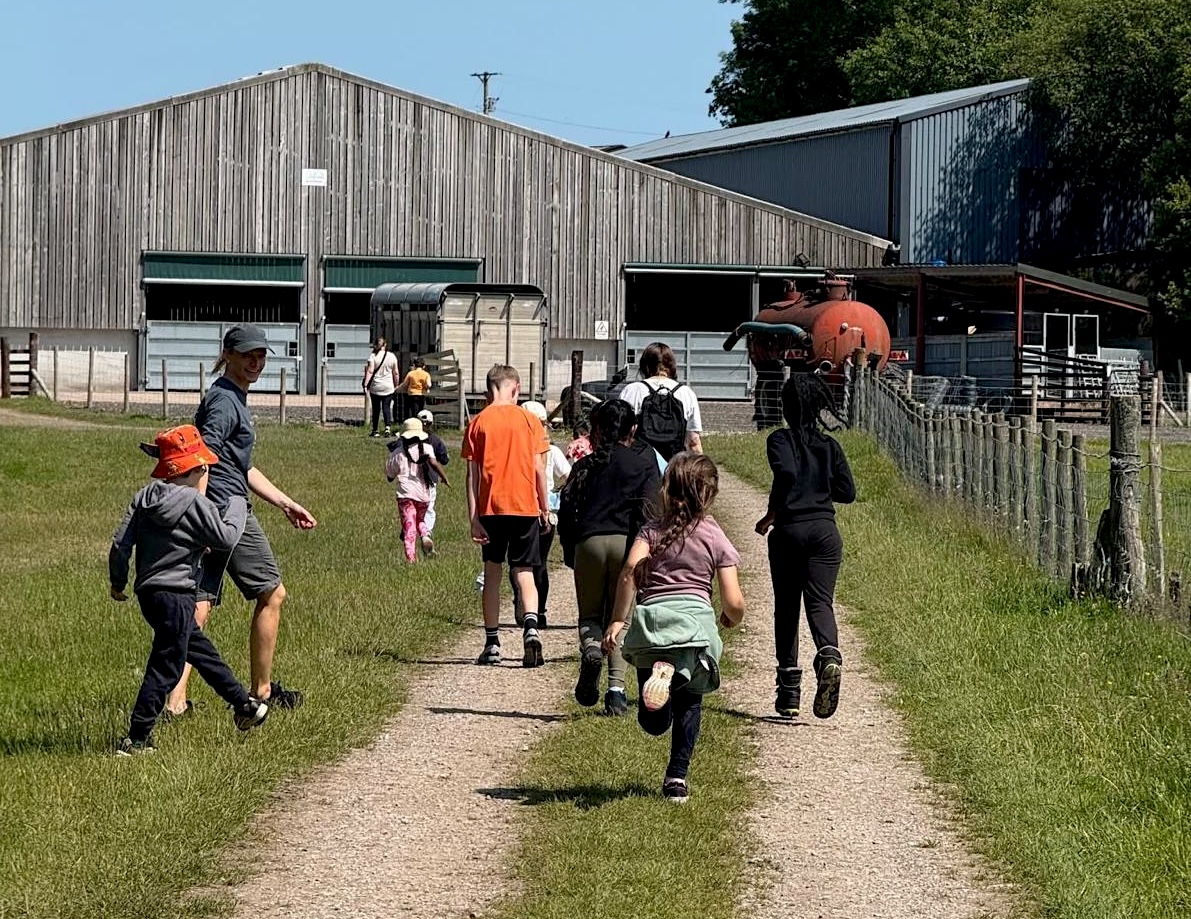
… as an Outdoor Learning Leader for the Ernest Cook Trust, I’m lucky enough to spend my working days doing exactly that. I run farm-based and curriculum-linked outdoor learning sessions, working with children in fields, woodlands, farmyards and other outdoor spaces.
And one thing I keep coming back to is this:
Food and farming have such an important place in education.
Not just because children should know where their food comes from, but because farming gives us an incredible context for learning about the world around us.
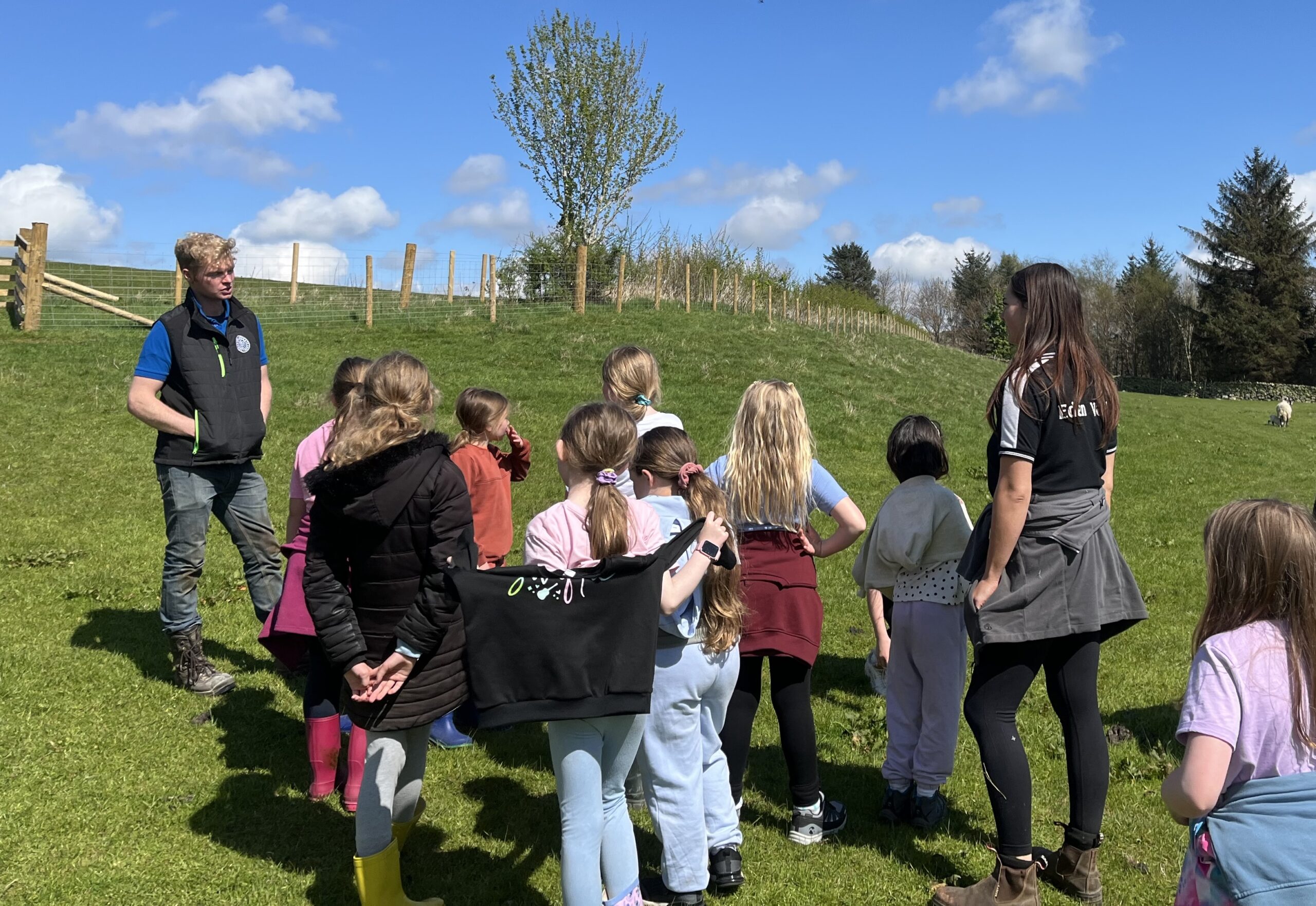
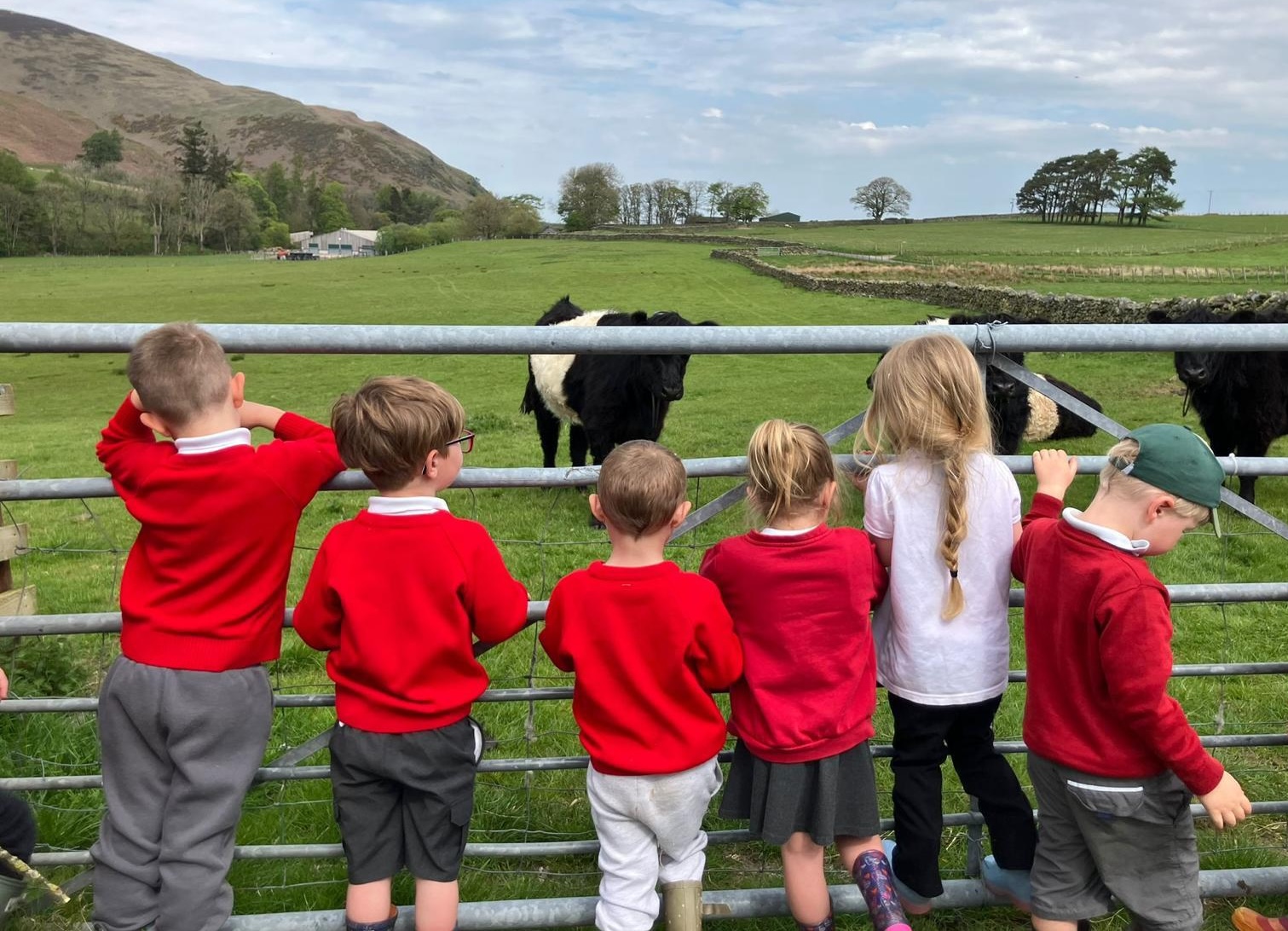
One of my favourite things about working with children outdoors is listening to the questions they come up with. A visit to a farm can start with something as simple as meeting a sheep.
Then the questions begin:
What does it eat?
Where does its wool go?
What happens to the lambs?
Why are they in this field?
What does the farmer do every day?
Why are there hedges?
What lives in the grass?
Before we know it, we’re talking about food, habitats, biodiversity, seasons, weather, animal care, landscapes and sustainability. And that’s what I love about farm-based learning.
One experience can bring many areas of learning to life.
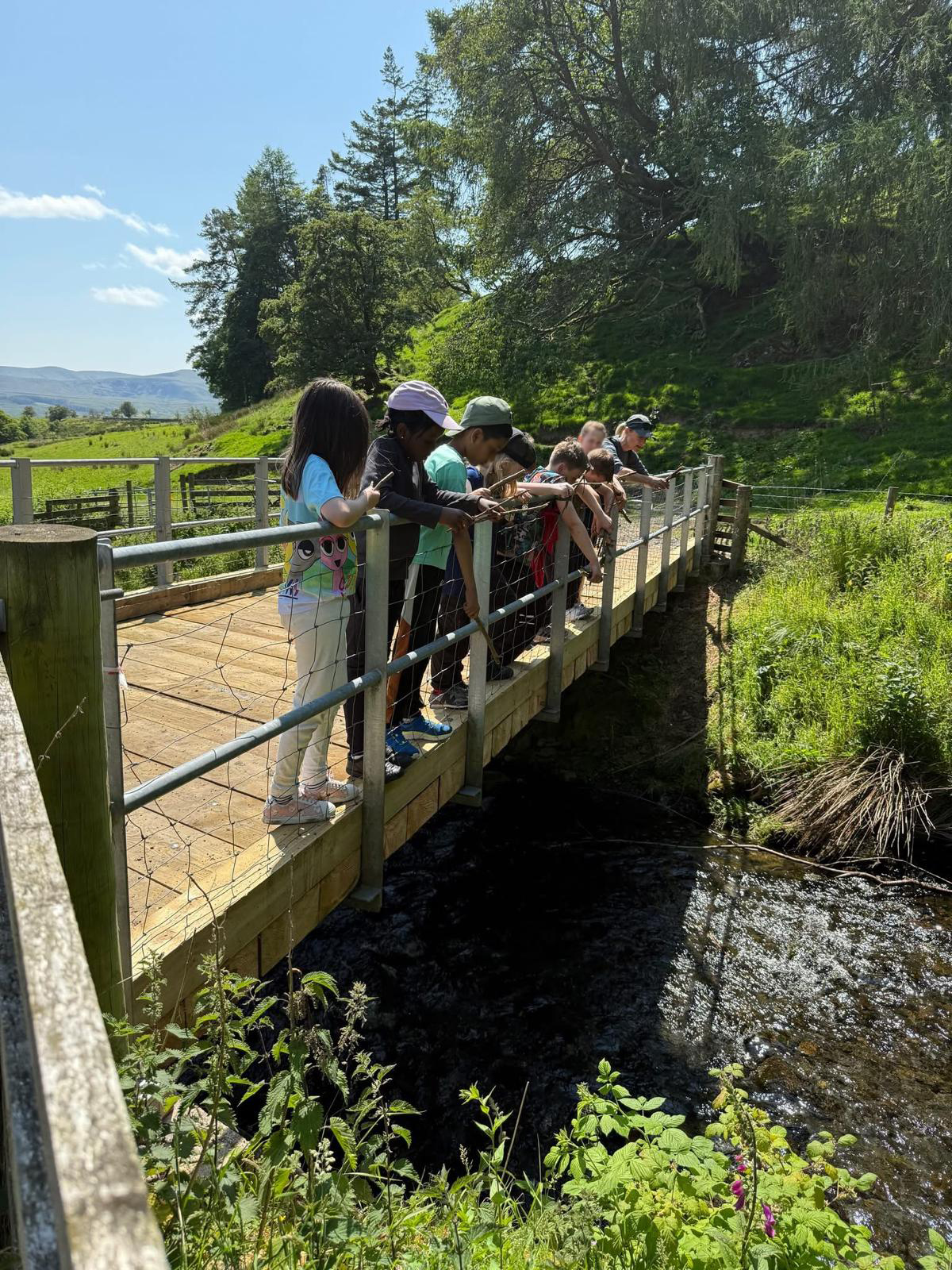
We might explore a field and discover that it isn’t just “a field”. It’s home to grasses, wildflowers, insects, birds, worms and countless other organisms.
We look at a hedge and begin to understand why it is important. We investigate soil and discover that there is a whole world beneath our feet, and we follow the journey of a crop from the soil, to harvest, to food on our plates.
The curriculum is there and now children can see it happening around them as farming connects everything.
I think one of the reasons farming works so well as a learning context is that it connects so many things together. Science, Geography, History, Maths, Literacy and more – they are everywhere and so are opportunities for personal development.
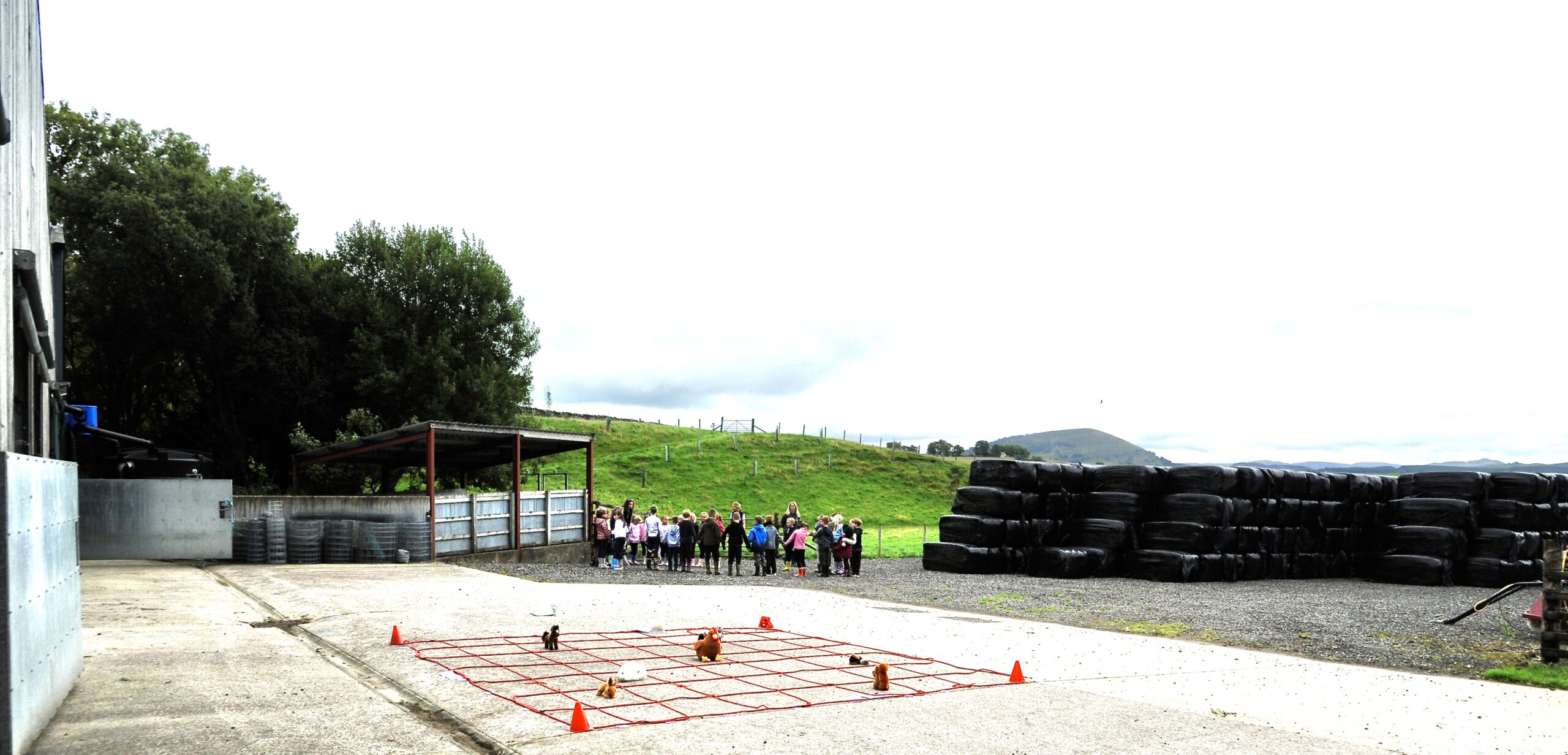
Children might measure a tree, estimate the size of a field, identify plants, classify animals, investigate food chains or map how land is used.
But they are also developing confidence and communicating with each other. They are solving problems. They are making observations and they are learning to ask questions.
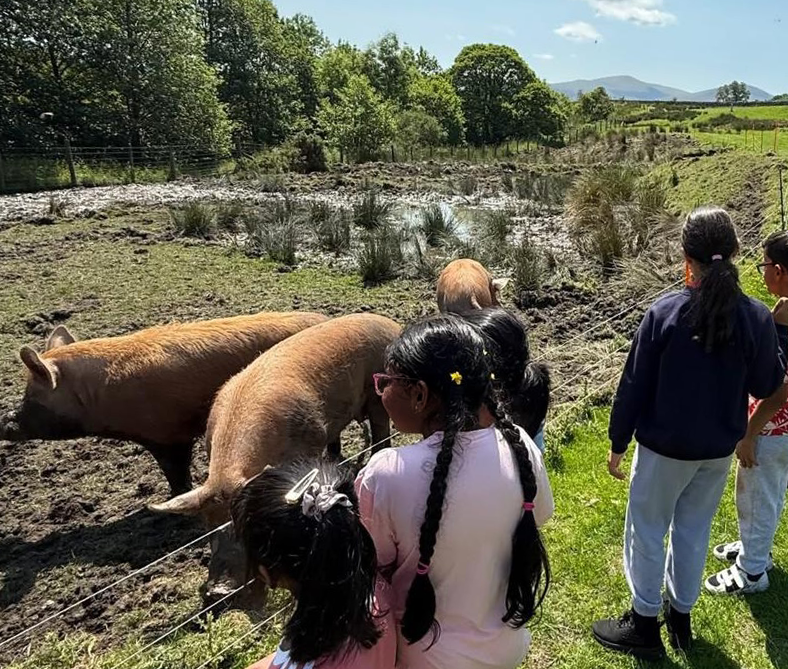
Helping children understand where their food comes from
I think there is something particularly powerful about helping children make the connection between the food they eat and the land around them.
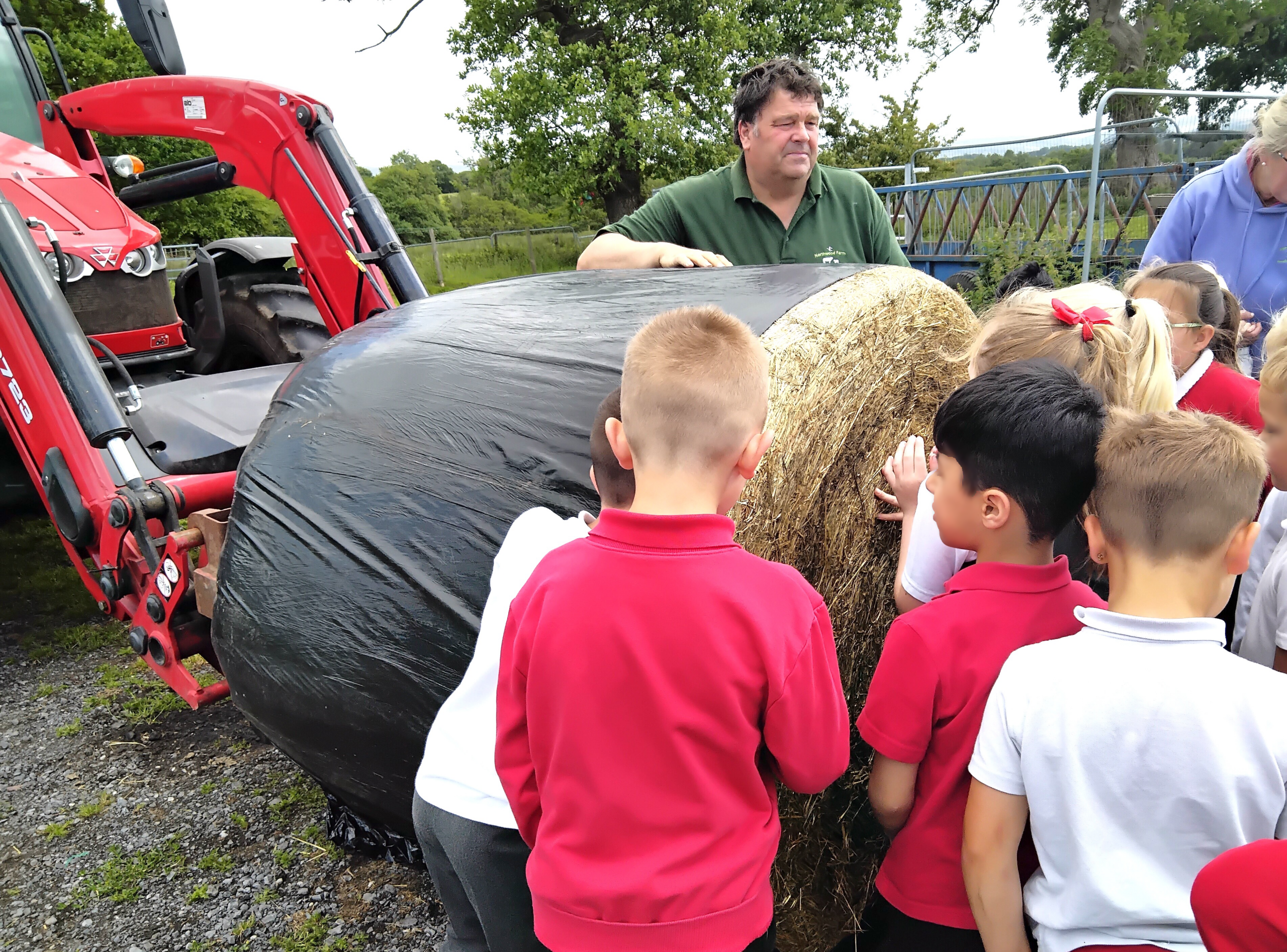
For many children, food arrives from a supermarket. It comes in a packet, a plastic tray or a cardboard box and of course, supermarkets are an important part of our food system, but there is a whole story that comes before that.
The list is endless! There is a farmer, the soil, crops, livestock, weather, machinery, knowledge and experience…
There is a huge amount of work that happens before food reaches the supermarket shelf and I want children to understand that story. Not to tell them what they should think about farming or food production, but to give them the knowledge to understand it.
Farming is changing too
One of the most interesting parts of my work is helping children discover that farming isn’t simply about tractors, animals and crops. Farming is constantly evolving.
We can talk about biodiversity, soil health, water, habitats, technology and different approaches to sustainable farming. We can look at how farmers are working with the environment and the challenges they face.
These conversations can be really valuable because children are going to grow up in a world where decisions about food, land and the environment will matter enormously.
They need opportunities to ask questions and explore different perspectives, and they need opportunities to experience the land for themselves.
It’s also about inspiring the next generation.
Another reason I feel so strongly about farm-based education is that children need to see the range of opportunities connected to farming and the countryside. When we say “farming”, we can sometimes imagine one person driving a tractor. But modern agriculture is much broader than that.
There are farmers, vets, ecologists, scientists, engineers, mechanics, environmental specialists, agricultural advisers, machinery technicians, researchers, land agents, river keepers and many, many other careers. Again, the list is endless!
A child visiting a farm might discover something they didn’t even know existed and perhaps that’s one of the most exciting things about outdoor learning.
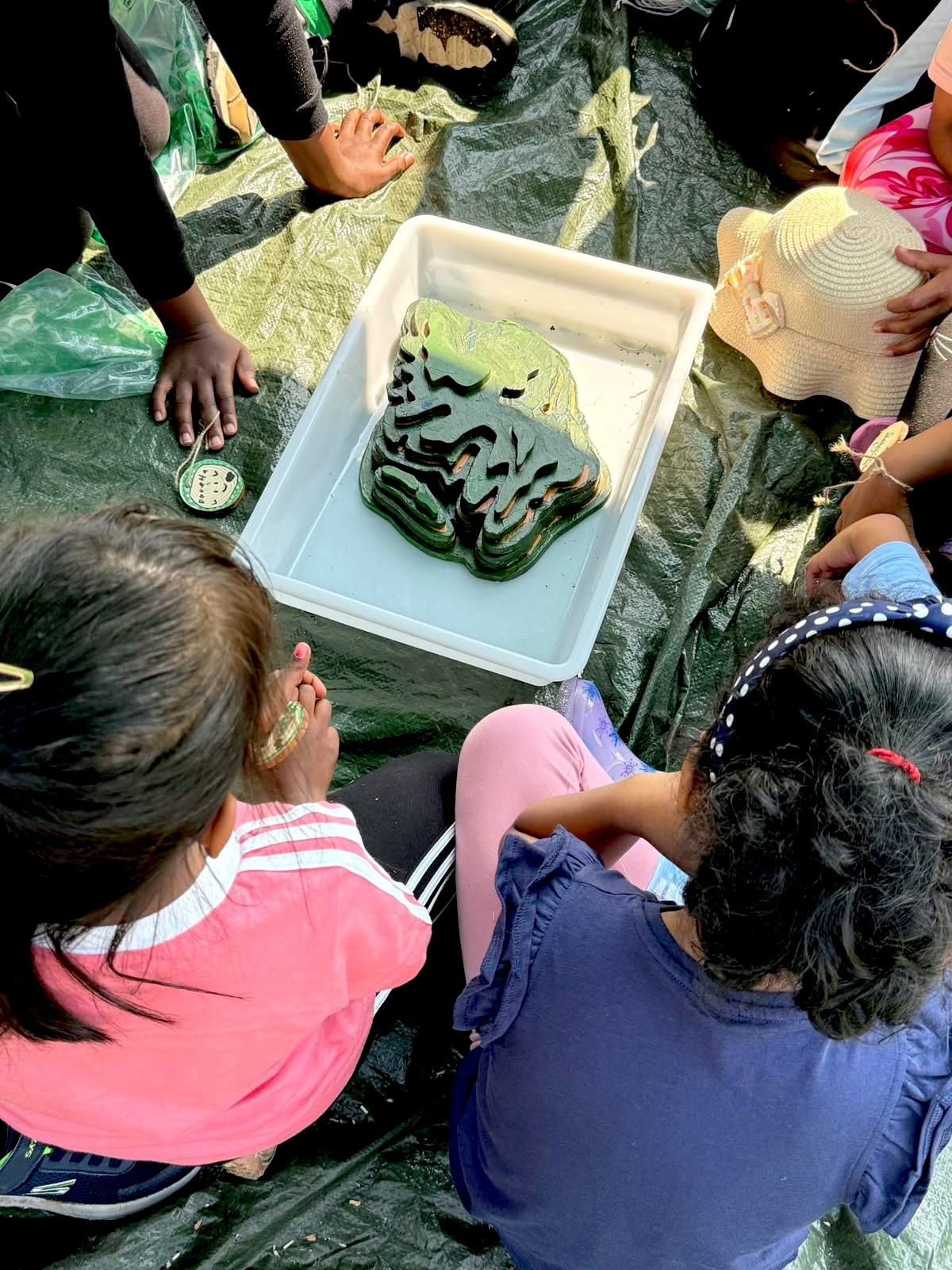
We don’t always know what will spark a child’s interest, and we need children to feel connected to the land.
For me, food and farming education isn’t just about teaching children facts.
It’s about connection – to where we live, to the landscape, to the people who produce our food, to nature and ultimately, connection to the choices we all make every day.
When children have the opportunity to stand in a field, hold a handful of soil, watch sheep grazing, search for insects in a hedge or taste something that has been grown locally, learning becomes much more than information.
It becomes an experience and experiences stay with us.
So, why does food and farming belong in education?
Because every child deserves to understand where their food comes from. Because farming helps us understand our landscape and our local heritage. It provides an incredibly rich context for the curriculum, and it inspires curiosity, confidence and questions.
Because it can introduce children to careers and possibilities they may never have considered and because, ultimately, we all depend on farming.
As an Outdoor Learning Leader, I feel fortunate that I get to help children make some of those connections.
I get to see the excitement when they discover something for the first time, and I get to hear their questions. I get to watch them become more confident outdoors and I get to see that moment when a child suddenly understands that the food on their plate has a story.
For me, that’s why food and farming belong in education.
Because sometimes the best way to understand our world is to step outside and experience it for ourselves.