From OWL to Nest
‘OWL Nest’ is a legacy programme of The OWL Collaboration, created in 2024 to provide sustained, targeted support for schools ready to make a significant commitment to embedding Outdoor Learning following an OWL residential. We’re so encouraged to hear how this is working for seven schools in Hackney.
Across the Primary Advantage Federation in Hackney, funding is shared between seven schools, helping to build on an existing partnership with local charity The Garden Classroom. The organisation provides teacher CPD and nature education experiences for children in local green spaces. For the federation’s Learning Development & Partnerships Manager, the funding has helped turn enthusiasm into confidence,
With the Nest funding we were able to invest in them delivering CPD to staff across our schools to increase their buy-in and confidence to take learning outdoors. This year, some schools have gone on to access longer programmes and pupil workshops.
As staff confidence has grown, so has the impact on children – from discovering nature in previously concrete playgrounds to finding new ways to learn, play and connect.
Finding a sense of being in nature
At Holy Trinity, outdoor learning has particular significance for pupils with limited access to green space outside school, including children living in overcrowded housing or temporary accommodation.
Finding a sense of being in nature has been really important for our pupils because once you’re outside, everyone is at the same starting point, especially if no one has a garden at home.
And the change isn’t just about what children learn. Their relationship with the world around them is changing too,
They’re more caring towards what they see around them and actually more caring towards each other as well as a result.
A different way to learn
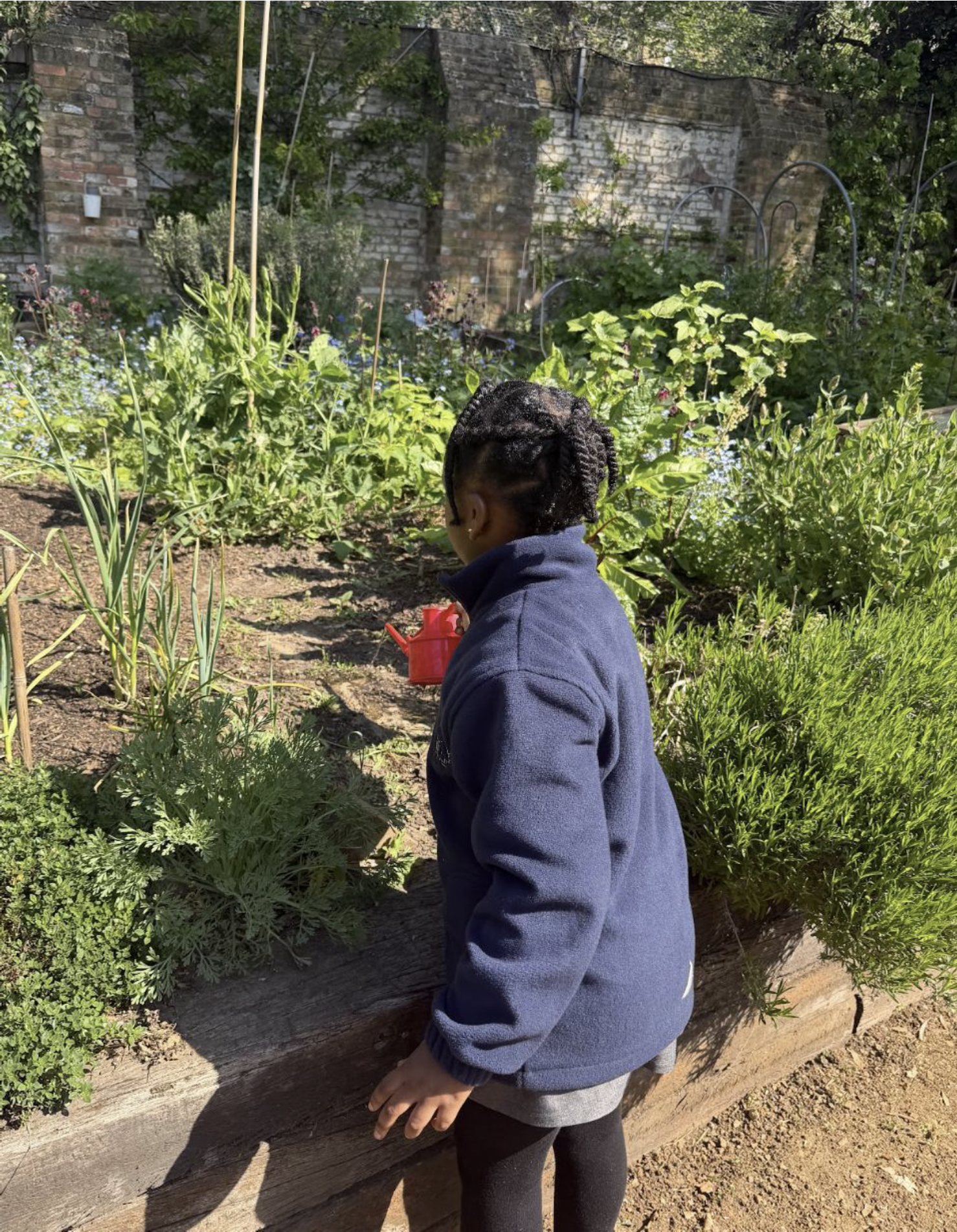
At Morningside School, a new garden and increased gardening support are creating opportunities for nurture groups and children with social, emotional and mental health needs to learn, contribute and experience success in a different way.
It’s providing some of our children who really struggle with a different way to learn and build confidence outdoors and just feel proud of what they’re doing.
The garden is also sparking some unexpected enthusiasm,
They are taking more care and are so much more involved in their environment to the point of having to stop a small altercation in Year 5, after the discovery of a rose chafer beetle in the playground, about what could possibly be its best habitat and should it live in a water bottle!?
From concrete to creativity

At St John and St James, improvements to the outdoor environment have transformed what was once described as a “concrete jungle”.
Whereas now the children have so much to do at lunchtime. You walk out into the playground and they’re being creative, imaginative or role playing on a tyre that’s filled with plants.
At St John the Baptist, a different corner of the playground is providing space for growing, caring and simply being still.
It’s also a nice green space for children to have some quiet time, reflect. There is a child who goes out every day just to talk to the plants which is really nice for him.
Growing beyond the school gates
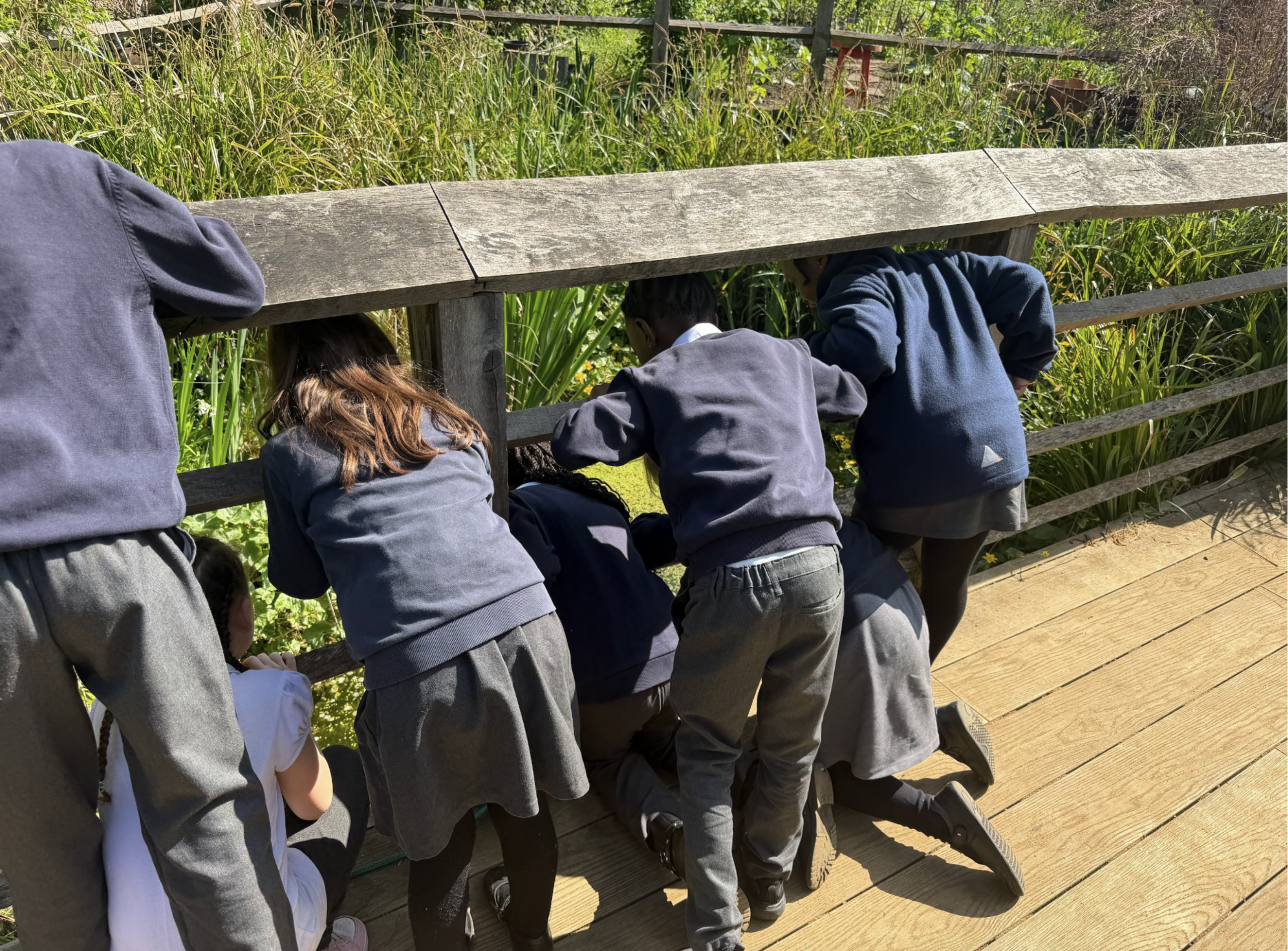
The benefits are reaching families too. Schools have been finding ways to involve parents through coffee mornings, community events and family activities, helping to make outdoor learning feel more accessible.
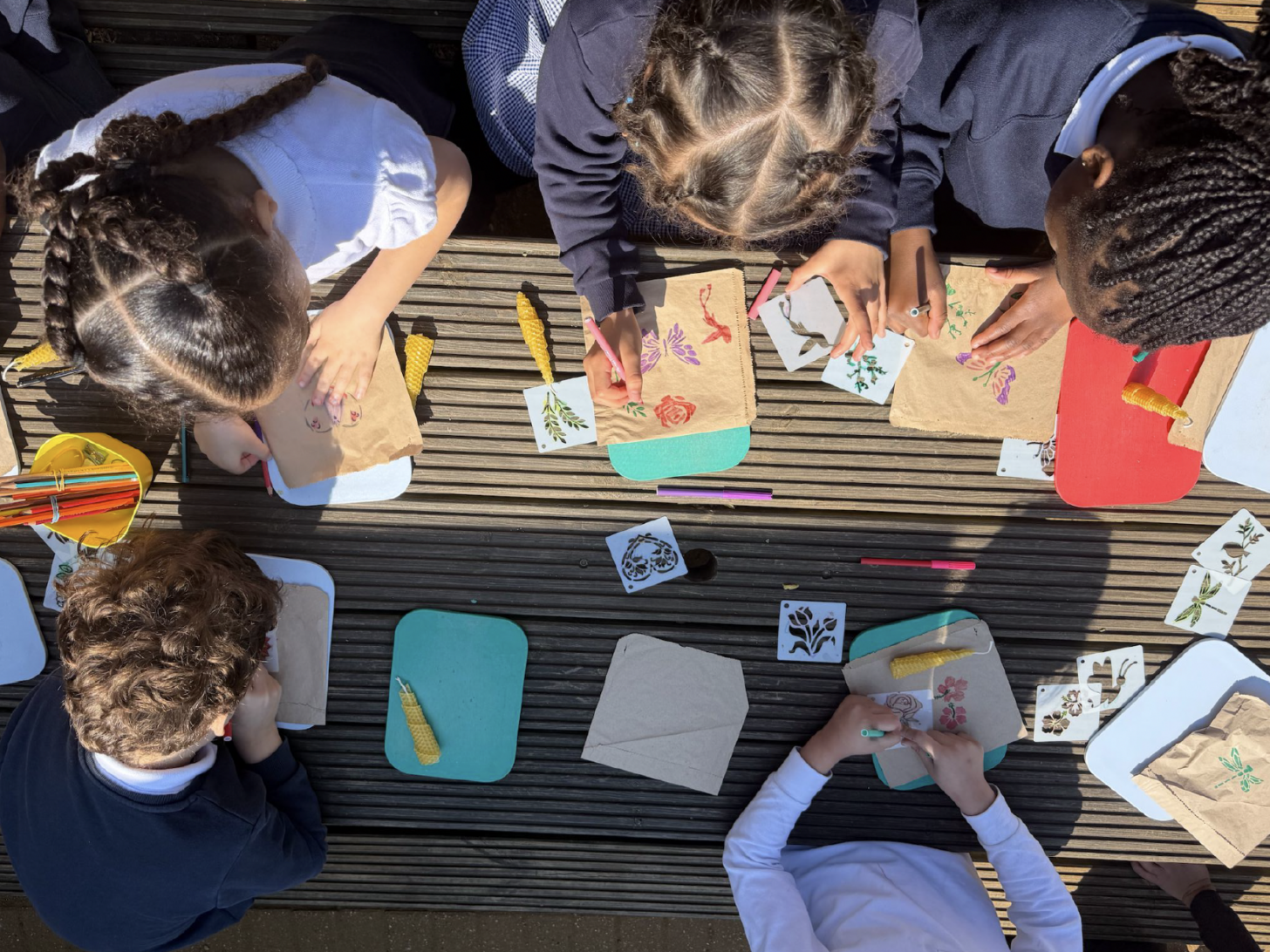
At Morningside, the ‘Morningside in Bloom’ competition encouraged children to grow plants at school and take them home.
At half term every Year 1 child trooped home with their plant that they’d grown. Last year we actually got pictures and produce back into school that the children had then gone on to grow at home.
At Holy Trinity, a facilitated family visit to nearby Dalston Curve Garden helped overcome a different kind of barrier – the feeling that local green spaces weren’t necessarily “for them”.
As a result of that, families are now going outside of school time, and feel more confident to do so.
Growing a lasting connection
Across the federation, outdoor learning is becoming far more than an enrichment activity. The shared Nest approach is helping schools build confidence, strengthen relationships, nurture wellbeing and create lasting connections with nature.